- anti-aging
- collagen banking
- collagen loss
- collagen results timeline
- collagen supplements
- estrogen collagen
- marine collagen
- perimenopause skin
- skin care tips
- skin health
- Taut collagen
- women over 40
What Is Collagen Banking? The 2026 Guide to Future-Proofing Your Skin

Imagine waking up on your 50th birthday, looking in the mirror, and seeing the firm, radiant skin you had in your 30s. It sounds like magic, right? But dermatologists and skincare experts are increasingly pointing to a proactive strategy that makes this entirely possible. It's called collagen banking.
If you've been paying attention to the latest shifts in anti-aging, you've probably heard this buzzy term floating around. It's rapidly becoming one of the most talked-about strategies for maintaining youthful, resilient skin. But what exactly is collagen banking, and why is it so critical for women in their 30s, 40s, and beyond?
At RenewSkin Co, we believe in empowering you with the knowledge to make the best decisions for your skin health. In this guide, we're going to break down the science behind collagen loss, how estrogen impacts your skin during perimenopause, and how you can start "banking" collagen today to ensure a firmer complexion tomorrow.
What is Collagen Banking?
Collagen banking is the proactive skincare strategy of stimulating and preserving your skin's collagen production before severe depletion occurs. Think of it like a retirement savings account for your skin: you invest in building a robust reserve of collagen now, so your skin has a strong, elastic foundation to rely on as natural production slows down with age.
The Science of Collagen Loss: Why We Need to "Bank" It
Collagen is the most abundant protein in the human body. It acts as the structural scaffolding that keeps our skin firm, plump, and elastic. During our early twenties, our bodies produce collagen at peak efficiency. However, as we age, this natural production begins to slow down significantly.
Research shows that starting around age 25, we lose approximately 1% to 1.5% of our natural collagen every year. By the time a woman reaches her 40s, she may have already lost up to 20% of her skin's collagen reserves. This gradual decline is what leads to the visible signs of aging: fine lines, deeper wrinkles, sagging skin, and a loss of that youthful "bounce."
This is exactly why collagen banking is so vital. By taking steps to boost your collagen levels early, you create a "buffer" against this inevitable decline.
The Estrogen Connection: Perimenopause and Accelerated Collagen Decline
While the steady 1% annual loss of collagen is a natural part of aging, women face an additional, more dramatic hurdle: menopause. The relationship between estrogen and collagen is profound. Estrogen plays a critical role in stimulating collagen production, maintaining skin thickness, and retaining moisture.
During perimenopause and the first five years of menopause, estrogen levels drop precipitously. This hormonal shift triggers an accelerated breakdown of collagen. In fact, studies indicate that women can lose up to 30% of their skin's collagen during the first five years of menopause alone. This rapid loss often manifests as sudden skin thinning, increased dryness, and a noticeable loss of elasticity.
Because of this estrogen-driven decline, collagen banking is not just a trend for women in their twenties; it is an essential strategy for women in their 30s and 40s who want to prepare their skin for the hormonal changes ahead. You can learn more about how hormones affect your skin in our guide to low estrogen symptoms and skin health.
How to Start Collagen Banking: 4 Proven Strategies
Building your collagen reserves requires a multi-faceted approach that combines internal nutrition, topical care, and advanced treatments. Here are the most effective ways to start banking collagen today.
1. Supplement with Premium Marine Collagen
The most direct and effective way to bank collagen is by providing your body with the building blocks it needs from the inside out. However, not all collagen supplements are created equal. When choosing a supplement, the source and the size of the collagen molecules (peptides) matter immensely.
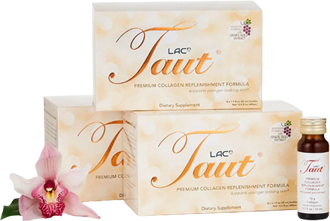
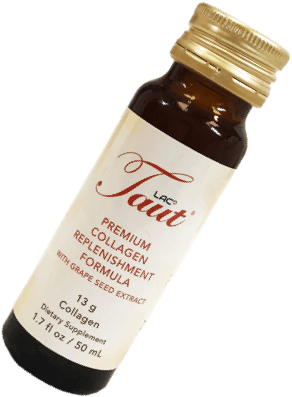
Marine collagen, derived from fish, is widely considered superior to bovine (cow) or porcine (pig) collagen for skin health. Marine collagen consists primarily of Type I collagen, which is the exact type that makes up 85% of our skin. Furthermore, premium hydrolyzed marine collagen—like the formula used in our Taut® Advanced Liquid Collagen Drink—is broken down into tiny peptides. These micro-peptides have a much higher absorption rate and bioavailability, meaning they can easily enter your bloodstream and trigger your body's natural "wound healing" response, stimulating your fibroblasts to produce new collagen.
Curious about the differences? Read our full breakdown on Marine Collagen vs. Bovine Collagen.
2. Protect Your Existing Collagen Reserves
Banking collagen is not just about making more; it is also about protecting what you already have. Environmental factors can accelerate collagen breakdown through a process called oxidative stress. To safeguard your investment:
- Wear Sunscreen Daily: UV radiation is the number one enemy of collagen. It penetrates deep into the dermis and breaks down collagen fibers. Broad-spectrum SPF is non-negotiable.
- Limit Sugar Intake: Excess sugar in the bloodstream leads to glycation, a process where sugar molecules attach to collagen proteins, making them stiff, brittle, and prone to breaking.
- Incorporate Antioxidants: Topical Vitamin C and internal antioxidants (like Grape Seed Extract) neutralize free radicals before they can damage your collagen network.
3. Stimulate Production with Targeted Skincare
While internal supplements provide the raw materials, topical treatments can signal your skin to ramp up production. Ingredients like retinol, peptides, and hyaluronic acid are excellent additions to a collagen-banking routine. Hyaluronic acid, in particular, works synergistically with collagen to keep the skin hydrated and plump, creating the optimal environment for collagen synthesis. Discover how to use hyaluronic acid effectively in your daily routine.
4. Consider In-Office Treatments
For an extra boost to your collagen bank, many dermatologists recommend treatments that induce controlled micro-injuries to the skin. Procedures like microneedling, laser resurfacing, and LED red light therapy stimulate the skin's natural healing cascade, forcing it to produce fresh, new collagen and elastin fibers.
When Will I See Results from Collagen Banking?
A common question we hear is: "How long does it take for collagen supplements to work?" Because collagen banking is a long-term investment, consistency is key. Here is a general timeline of what you can expect when taking a high-quality marine collagen supplement daily:
- Weeks 1–4: The earliest changes are usually seen in skin hydration. Your skin may feel softer, more supple, and less dry.
- Weeks 4–8: As new collagen begins to form, you may notice a subtle "glow" and an improvement in overall skin texture and tone.
- Weeks 8–12+: This is when the structural benefits become visible. You can expect to see increased skin firmness, improved elasticity, and a visible reduction in the depth of fine lines and wrinkles.
The Taut® Transformation: Visible Results You Can Trust
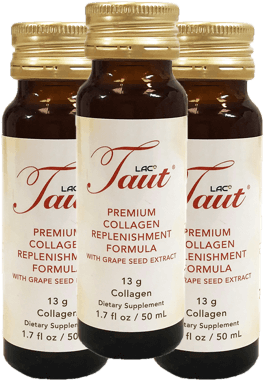
At RenewSkin Co, our mission is to offer luxurious, scientifically-backed solutions that deliver real, visible results. If you are ready to start your collagen banking journey, our Taut® Advanced Liquid Collagen Drink is designed specifically to replenish your skin's collagen density.
Formulated with a potent 13,000mg of premium marine collagen peptides per serving, along with elastin, hyaluronic acid, and grape seed extract, it provides the ultimate foundation for ageless skin. Whether you are 35 and looking to prevent early signs of aging, or 50 and wanting to restore lost elasticity, banking collagen today is the secret to channeling your inner Flostate™ and enjoying radiant confidence for years to come.
Ready to invest in your skin's future? Explore our Anti-Aging Programs and discover the transformative power of premium marine collagen.
Frequently Asked Questions About Collagen Banking
Is it too late to start collagen banking at 50?
Absolutely not! While starting in your 20s or 30s is ideal for prevention, starting at 50 is highly effective for restoration. During and after menopause, your skin loses collagen rapidly. Supplementing with high-dose marine collagen can help replenish those lost stores, improve elasticity, and visibly reduce sagging.
How much collagen should I take daily for the best results?
Clinical studies suggest that taking between 5,000mg to 10,000mg of hydrolyzed marine collagen daily is effective for skin health. Our Taut Advanced Formula provides 13,000mg per serving to deliver maximum, visible results.
Can I just eat collagen-rich foods instead of taking a supplement?
While eating foods like bone broth is great for overall health, the collagen molecules in food are too large for your body to absorb efficiently. Hydrolyzed collagen supplements are broken down into tiny peptides that easily enter the bloodstream and reach the dermis layer of your skin.
References:
1. Reilly, D. M., & Lozano, J. (2021). Skin collagen through the lifestages: importance for skin health and beauty. Plastic and Aesthetic Research.
2. Al-Atif, H. (2022). Collagen Supplements for Aging and Wrinkles: A Paradigm Shift in the Fields of Dermatology and Cosmetics. Dermatology Practical & Conceptual.
Ready to experience the benefits for yourself? Shop our Liquid Collagen Drinks collection and find the right program for your skin goals.