Collagen Deficiency Is Aging You Faster (Here's How to Reverse It)

Most of us blame our skincare routine when our skin starts changing. We switch products, add steps, and spend more. But what if the problem was never on the surface?
That's exactly what collagen deficiency is. A structural breakdown beneath your skin that most products on top can’t fix. Can you have a collagen deficiency? Yes! If you're over 30, your body ages out of peak production, and your skin loses roughly 1 to 1.5% of its most abundant protein yearly. By 40, up to 30% gone.
Collagen deficiency is the silent driver of aging skin and its visible signs. That’s because collagen plays a role in everything from skin to joints in the human body, and understanding what happens when your body's protein runs short changes everything.
At RenewSkin Co, we've spent years researching collagen deficiency and formulating solutions to combat the decline. Here's what we cover:
-
The symptoms your body uses to signal low collagen
-
Three mechanisms silently draining your supply (and the hormonal factor nobody talks about)
-
Why your current products probably can't fix this
-
The clinically backed collagen deficiency treatment that works
Let's get into it.
What Collagen Deficiency Actually Looks Like
You know that feeling when your jawline just... isn't where it used to be? Or when your skin takes forever to bounce back after you press it? Maybe your foundation sits differently now, settling into lines you swear weren't there six months ago.
Those aren't random aging quirks. Those are collagen deficiency symptoms, and they're your body's way of waving a red flag.
Here's the thing. The signs of collagen deficiency don't just show up on your face and call it a day. They ripple across your entire body, affecting everything from your skin elasticity to your joint and skin health. That's because collagen isn't just one type of tissue. It's woven into practically every structure that holds you together. Your skin, connective tissues, bones, gut, and even the walls of your blood vessels all depend on healthy collagen levels to function properly.
And when those levels drop? The effects are cascading.

1. Your Face and Skin Tell the Story First
Collagen deficiency face signs are usually the earliest ones you notice (because, let's be honest, that mirror doesn't lie). Your skin cells slow their turnover rate, which means dull, lackluster texture replaces that glow you used to take for granted. Skin elasticity drops, and with it goes the firmness that kept everything lifted and taut. Fine lines deepen into wrinkles. Skin hydration tanks, leaving you with that dry, crepe-like quality around the eyes and neck that no moisturizer seems to fix. Even minor blemishes and cuts take longer to fade, a telltale case of slow wound healing that signals your skin's repair system is running on fumes.
Collagen in your facial skin is the scaffolding beneath the surface. When that scaffolding weakens, everything above it starts to sag.
2. Your Hair and Nails Are Sending Signals Too

This one catches a lot of women off guard. Collagen-deficient nails are actually one of the earliest visible clues that your body is running low on collagen. Nails that split, peel, or refuse to grow past a certain length? That's a collagen problem. Brittle nails often show up alongside brittle hair that thins, breaks easily, and loses its natural shine. Both your hair and nails rely on collagen for their structural protein matrix, so when the supply drops, they're some of the first things to suffer.
3. Your Joints and Muscles Feel It Next
If your morning routine now includes a solid five minutes of creaking and popping before you feel normal, pay attention. Stiff joints and joint pain (especially in your knees, hips, and hands) are classic symptoms of collagen deficiency. Collagen is the cushion between your joints, and when there's less collagen padding on those connections, you get more friction, more inflammation, and more of that achy stiffness that makes you feel decades older than you are.
Muscle aches and muscle pain (particularly after routine activities that didn't use to bother you) are also part of the picture. Collagen fibers wrap around and support your muscle tissue, so depleted stores mean less collagen protecting those fibers from strain.
Here's where joint and skin health overlap more than most people realize. The same connective tissues breaking down in your face are breaking down in your joints. It's not two separate problems. It's one deficiency showing up in two places.
BONUS: The Signs You Can't See (But Shouldn't Ignore)
Some collagen deficiency symptoms are invisible until they cause a noticeable problem. Weakened blood vessels lead to easier bruising (if you're suddenly bruising from minor bumps, that's worth noting). A compromised intestinal lining can contribute to digestive issues and increased inflammation, which circles right back to worsening your skin. And wound healing in general slows down across the board, not just on your face.
It's also worth knowing that different collagen types affect different systems. Type 2 collagen deficiency primarily impacts your cartilage and joint cushioning, which is why joint discomfort is such a common complaint. Type 4 collagen deficiency affects the basement membranes of your blood vessels and organs, which explains the vascular symptoms like easy bruising and poor circulation.
The common thread? Your body isn't producing enough collagen to keep up with the demand. And when supply falls short in one area, it falls short everywhere, across your skin, your joints, your gut, and your other connective tissues.
If you're experiencing several of these symptoms of collagen deficiency, the question isn't whether you have a deficit. The question is what's causing it, and what you can do about it.
The Three Mechanisms Driving Collagen Deficiency

So, what causes collagen deficiency? It's not just "getting older." Three specific mechanisms work together to drain your collagen faster than your body produces it. And once you understand them, you'll see exactly why your current skincare routine might be fighting a losing battle.
Mechanism 1: Enzymatic Destruction
Think of this as tiny molecular scissors attacking your collagen fibers. UV rays and ultraviolet light from sun exposure, pollution, and too much sugar all trigger enzymes called matrix metalloproteinases (MMPs). These enzymes actively damage collagen, snipping apart the fibers that keep your skin firm. You can't feel it happening. These external factors cause invisible skin damage that compounds silently until the mirror finally catches up.
Protecting your skin from environmental stressors helps slow MMP activity, but it can't undo damage that's already done.
Mechanism 2: Your Collagen Factories Slow Down
Here's where age actually plays its role. Deep in your dermis, you have cells called fibroblasts (the tiny factories responsible for collagen synthesis). After 30, these factories start dimming their lights. Your body's ability to manufacture fresh collagen declines steadily, and collagen production quality drops right alongside it. The fibroblasts still work. They just produce less, slower, and weaker. Remember, collagen is the primary building block of your skin's structure, so when the factories underperform, the whole building suffers.
Mechanism 3: Sugar, Stress, and the Stiffening Effect
A poor diet loaded with refined sugar doesn't just affect your waistline. Excess glucose binds directly to collagen fibers through a process called glycation, creating Advanced Glycation End-products (AGEs) that make your collagen stiff, brittle, and resistant to renewal. Meanwhile, chronic stress floods your system with cortisol, which actively suppresses collagen synthesis in those already-sluggish fibroblasts. These lifestyle habits compound every other cause of collagen deficiency, turning a slow decline into an accelerated one.
Antioxidant compounds that fight oxidative stress can help neutralize some of this damage, but they can't replace what's already lost.
A Quick Note on Less Common Causes
For some women, genetic mutations and autoimmune diseases (including certain connective tissue diseases) impair collagen production at a deeper biological level. Reduced blood flow from vascular conditions can also starve skin cells of the nutrients they need to build collagen. These are less common than lifestyle-driven deficiencies, but worth knowing about.
But here's the part nobody talks about enough: there's another force accelerating all three of these mechanisms in women over 40. And it has nothing to do with your diet or your sunscreen.
How to Test for Collagen Deficiency
Let's address the question directly: how to test for collagen deficiency?
The honest answer? There's no single collagen deficiency blood test you can request from your regular doctor. Some specialized labs measure markers like procollagen type I N-terminal propeptide (PINP) to track collagen turnover, but these are primarily used in research and bone health assessments, not routine skincare diagnostics.
The most practical way to evaluate your collagen status is through the symptoms we just covered, combined with your age and lifestyle risk factors. If you're over 35 and experiencing multiple signs from that list, your collagen levels are almost certainly part of the equation.
Rather than waiting for a blood test to confirm what your skin, joints, and nails are already telling you, the evidence points toward taking proactive steps now. But first, there's one more force accelerating your collagen loss that deserves its own conversation.
How Your Hormones Play a Part in Collagen Deficiency

Remember those three mechanisms we just covered? There's another force amplifying all of them, and it hits hardest during the years when you're already noticing the biggest changes in your skin.
Estrogen directly regulates collagen production. It's what signals your fibroblasts to keep building, keep repairing, keep producing fresh collagen fibers. So when estrogen levels begin declining during perimenopause and menopause, your collagen loss accelerates dramatically. Research (by Professor Mark Brincat and colleagues) shows women can lose up to 30% of their total skin collagen in the first five years post-menopause. Thirty percent!
And it's not only estrogen. Cortisol from sustained stress actively suppresses fibroblast function (remember those collagen factories?). When your body produces less collagen under constant hormonal pressure, skin aging speeds up in ways that feel sudden. This is why so many women describe a moment where their skin "just changed overnight." It didn't. But the hormonal tipping point made the accumulated loss visible all at once.
Thyroid hormones and insulin resistance are other factors that influence how quickly your skin loses collagen integrity. An underactive thyroid slows cellular repair, while insulin resistance promotes that sugar-stiffening glycation process from Mechanism 3.
The overlap of these hormonal shifts is exactly why women in their 40s and 50s notice the most dramatic changes. Your ability to produce collagen drops while the forces destroying it ramp up.
This is why collagen deficiency isn't something you can moisturize away. It's a systemic, internal process that requires an internal solution.
Can Common Products Reverse Collagen Deficiency?
If you've tried everything and nothing sticks, you're not doing it wrong. Most popular approaches to skin health weren't designed to restore collagen at the depth where it actually matters. Let's be honest about what each one can and can't do.
Skin Creams and Topical Collagen (Most Common)

Here's the frustrating truth about skin creams labeled "collagen-boosting". The collagen molecules in most topicals are too large to penetrate past your skin's surface. They hydrate the outer layer nicely. But they cannot reach the dermis where your collagen network actually lives. It's like polishing the outside of a house with foundation cracks. Looks better temporarily. Doesn't fix the structure.
Retinoids
Retinoids do stimulate some collagen production, and they deserve credit for that. But results take six to 12 months, the irritation can be brutal, and they still can't compensate for systemic collagen loss happening inside your body.
Vitamin C Serums and Citrus Fruits

Vitamin C is essential for collagen synthesis. But there's a difference between protecting what you have and rebuilding what you've lost. A balanced diet rich in citrus fruits and collagen-rich foods helps boost collagen production, and you absolutely want that foundation. The limitation? Dietary and topical doses rarely reach the therapeutic threshold needed to reverse an active deficit.
Bone Broth and Food-Based Collagen

Bone broth contains collagen, but it's not hydrolyzed for ideal absorption. The amino acids your body needs for collagen repair (glycine, proline, hydroxyproline, the main amino acids, and essential amino acids behind the process) are present but in unpredictable quantities. A healthy diet with dietary supplements supports the bigger picture, but food-based sources leave too much to chance.
None of these are bad choices, to be very honest. Each one plays a role in a solid skincare strategy. But if your goal is to actually reverse collagen deficiency, not just slow it, you need to understand why addressing your specific skin concerns requires going deeper than the surface. Literally.
When Topicals Cannot Fix Collagen Deficiency

Here's the part that changes everything about how you think about your skincare routine.
Your skin barrier exists for one purpose: to keep things out. That includes bacteria, pollutants, and most of the ingredients in your serums and creams. Even advanced delivery systems only reach the upper dermis. But collagen deficiency doesn't originate there. It originates deeper, where skin cells called fibroblasts produce collagen from amino acids delivered through your bloodstream.
Read that last part again. Through your bloodstream. Not through your pores.
Topicals work outside-in. Collagen rebuilding works from the inside out. You can layer on the best creams in the world, but if the raw materials aren't reaching those fibroblast factories from the inside, your collagen levels keep declining no matter what you apply on top.
Trying to fix collagen deficiency with topicals alone is like watering the leaves of a plant with dying roots. The leaves might perk up temporarily, but until you nourish the roots, the plant keeps wilting. Your skin works the same way. The "roots" are your fibroblasts, and they need internal fuel to rebuild.
This doesn't mean you throw out your topical routine. The ideal approach combines topical protection (shielding what collagen you have left) with internal rebuilding through collagen supplements that deliver clinically relevant doses directly to those deep-dermis factories. Outside-in protection plus inside-out restoration. That's how you actually move the needle on skin health.
This is exactly the philosophy behind brands approaching skincare holistically, building a complete inside-and-out skincare collection that addresses both sides of the equation.
So the real question becomes: what does an effective internal collagen protocol actually look like? Which brings us to…
Steps to Correct Collagen Deficiency
Now for the part you've been waiting for. You understand the problem, the mechanisms, and why topicals alone can't solve it. Here's your collagen deficiency treatment plan, broken into four steps that work together.
Step 1: Protect What You Still Have
Before you rebuild anything, stop the bleeding. Daily SPF blocks those MMP-triggering UV rays we talked about earlier. An antioxidant-rich diet neutralizes free radicals before they reach your collagen. Cut back on refined sugar to slow glycation. Manage stress to keep cortisol from suppressing your fibroblasts. Not glamorous, but it's the foundation everything else builds on.
Step 2: Nourish Your Skin Topically
Quality cleansers and moisturizers with hyaluronic acid, vitamin C, and peptides protect your skin's health from the outside. They maintain skin hydration, strengthen the barrier, and create the best environment for collagen repair beneath the surface. Think of this step as defending the territory while you rebuild from within.
Step 3: Rebuild from Within
This is the step that moves the needle. Oral collagen supplements deliver hydrolyzed collagen (collagen broken into tiny collagen peptides small enough for gut absorption and bloodstream delivery) directly to your fibroblasts. This is the most effective collagen deficiency treatment backed by clinical science.
But not all collagen supplements are equal. Here's what the research says matters:
The clinical threshold sits at 10,000mg or more daily. Below that, you're unlikely to produce collagen at a meaningful rate. Marine collagen (Type I specifically) has the highest skin bioavailability because it matches the dominant collagen in human skin. Liquid format absorbs faster and more completely than powder or capsules.

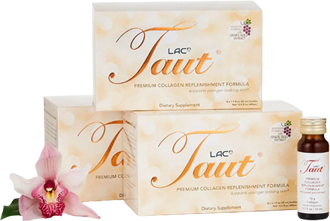
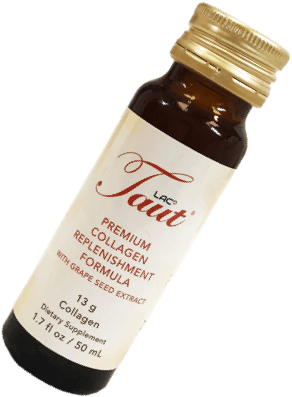
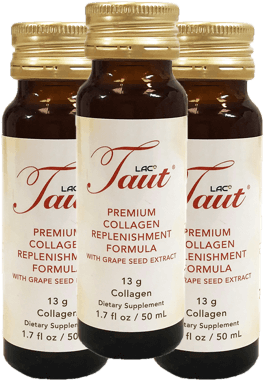
This is where collagen supplementation comes in. Taut Premium Collagen delivers 13,000mg of hydrolyzed collagen per serving, 2 to 6 times more than competing brands. It's Type I marine collagen from wild-caught red snapper, designed to give your fibroblasts enough collagen raw material to actually restore collagen and improve skin elasticity from the inside out.
Prefer flexibility? The Taut Premium Collagen Powder Trio offers the same quality marine collagen in a format you can mix into smoothies or water for long-term maintenance.

Step 4: Stay Consistent
Collagen supplementation isn't a one-week experiment. Clinical studies show improvements beginning in three to eight weeks of daily use. 80% of Taut users see results in under 30 days. Give your fibroblasts steady fuel, and they reward you with skin health you can actually see in the mirror.
Your topicals defend. Your supplements rebuild. Together, they form a complete anti-aging regimen for every step.
So, what does the clinical evidence actually say?
The Evidence-Based Protocol for Collagen Deficiency

Now, let's talk receipts. Because everything we've covered means nothing without clinical proof backing it up.
A meta-analysis of 26 randomized controlled trials involving 1,721 participants found that hydrolyzed collagen supplementation significantly improved both skin hydration (p < 0.00001) and skin elasticity (p < 0.00001) compared to placebo. Those are statistically significant results across thousands of people.
Another systematic review and meta-analysis confirmed that 90 days of hydrolyzed collagen intake reduced wrinkles while improving elasticity and hydration. And a double-blind, placebo-controlled trial on women aged 35 to 55 showed measurable skin elasticity improvements in just eight weeks of daily collagen supplementation.
You get it! The science is consistent, meaning oral collagen supplements work. The variable is which supplement, at what dose, with what supporting ingredients.
This is where Taut's 8-in-1 formula earns its reputation. Each serving delivers 13,000mg of marine collagen peptides alongside seven clinically supported ingredients:
-
Elastin peptides for bounce-back resilience
-
Ceramide for barrier strength
-
Vitamins C, B, and E for synthesis support and free radical defense.
These eight ingredients work synergistically, not just adding collagen but protecting and optimizing the collagen your body builds.
The delivery system matters too. Taut's Rapid Delivery System (RDS) hydrolyzes collagen into molecules 60 times smaller than standard collagen supplements, achieving 1.5 times faster absorption. Improved blood flow to the dermis helps shuttle these collagen peptides directly to the fibroblasts that need them most.
The results? Almost all users report visible improvements in skin, hair, nails, and joint health. Again, 80% see changes in under 30 days. For women dealing with hyperpigmentation or uneven tone alongside collagen loss, pairing collagen supplementation with a targeted brightening protocol can brighten uneven skin tone and fade dark spots simultaneously.

Source: Renewskin’s happy client.
Your skin has the machinery to rebuild. It just needs the right raw materials, at the right dose, delivered the right way.
Your Skin Is Waiting
As we wrap up, we want you to understand that collagen deficiency isn't a verdict. It's a signal.
And, since you now know what drives it, you also understand your body's ability to intervene. Small lifestyle habits protect. Topicals defend. And the right collagen deficiency treatment rebuilds from within, restoring collagen production where it actually matters.
Not sure where to start? Here's how to match your biggest concern to the right program:
If your primary concern is fine lines, wrinkles, and sagging, start with the Intense Transformation Program. It's the foundation and star product. Three boxes of Taut Collagen, one bottle every night for 24 days. Then transition to the 2-box maintenance program (every other night) to lock in your results.
If dry, dehydrated skin is what's bothering you most, the Ultimate Transformation Program pairs Taut Collagen with Taut Hydrate for deep moisture repair alongside collagen rebuilding.
Dealing with dark spots, hyperpigmentation, or uneven tone? Ms. Magnifique combines Taut Collagen with Taut Bright and a Collagen Mask to tackle aging skin discoloration while restoring your collagen network.
For free radical damage and antioxidant protection, Anti Oxy Foxy pairs Taut Collagen with Masquelier OPC for maximum defense against oxidative stress and collagen breakdown.
Want to browse everything? Explore all transformation programs to find the combination that fits your skin goals.
Lastly, talk to our skincare team for questions about which program is right for you. They'll help you find your perfect match.
Ready to experience the benefits for yourself? Shop our Liquid Collagen Drinks collection and find the right program for your skin goals.