Can You Take Too Much Collagen (What They Really Don’t Tell You)?
Quick Answer: While collagen is generally very safe, taking excessively high doses (above 30-40g per day) may cause mild digestive discomfort such as bloating or a feeling of fullness. The clinically effective dose for skin benefits is 2.5-10g per day -- more is not necessarily better.

People often fall into the trap of consuming too many supplements because they believe that more is better. This could be collagen supplements, multivitamins, protein powders, you name it.
And, the irony of it all is that they're ignorant or too lazy to do research. They're just victims of persuasive marketing, brands that capitalize on your fear to the point you believe every single word they say without investigation.
At Renewskin Co., we believe in educating our clients so that they make the best decisions for themselves. That's because we only win when you win. We are going to share everything we know about collagen peptide supplementation, collagen synthesis, and much more.
By the end of this guide, you'll have the exact dosage of collagen that's enough for you and the risks that come with overdoing it.
So, can you take too much collagen peptides? Let's find out together.
The Science of Collagen Absorption and Why More Isn't Always Better

In today's ruthless economy, most collagen supplements companies won't tell you that your body has a limit.
You can't just flood your system with collagen and expect it all to work. Your body's collagen production follows specific rules. And when you take in more than it can handle, you're basically throwing money away...literally.
Let's try to understand what happens when you take too much collagen peptides. Imagine your intestinal walls as a highway. Once all lanes are full, additional cars (in this case, collagen molecules) just sit in traffic. They're wasted. Your small intestine can only absorb so many amino acids at once. Push past that point, and the extra collagen has nowhere to go but pass out as 'expensive urine'.
Diving even deeper into our bodies' collagen synthesis, we find that collagen production is much more complex than just swallowing a scoop of collagen powder and waiting for the best. In fact, when you swallow hydrolyzed collagen, your digestive system breaks it down into amino acid chains. These are the building blocks. Your body then reassembles them into new collagen proteins.
The thing about this process is that it has a ceiling...
Yes, your body needs essential amino acids to build collagen. And yes, hydrolyzed collagen peptides provide those. But there's only so much your system can process in one sitting. The exact amount varies by person and age, but our clients see the best results taking around 5-10 grams per serving consistently for 8 weeks.
So if you're chugging 30 grams of collagen in your morning smoothie? A good chunk of it isn't doing what you think it's doing.
Type I Collagen vs. Other Types
There are different types of collagen in your body. Type I makes up about 90% of your skin, bones, and tendons. Type II is mostly found in the cartilage. (More about why this is important in a bit).
When you're buying supplements, you're usually getting animal collagen from cows, pigs, or fish. The source changes how well your body absorbs it.
Marine collagen peptides, especially from wild-caught fish, tend to be smaller molecules. And if you are good at biology, you know smaller means better absorption. This is why premium sources matter. Wild-caught marine collagen from red snapper offers about 1.5x the bioavailability of bovine collagen. Meaning? Less = better results!
The molecular weight matters too. Hydrolyzed collagen is broken down into pieces that weigh between 2,000 and 5,000 Daltons. Way smaller than unhydrolyzed versions. And easier for your body to use.
So when you see "specific collagen peptides" on a label, that's exactly what you need. The smaller the peptide, the better your body absorbs it. Which makes dosage even more critical.
Some supplements use collagen type II for joint support. Others focus on Type I for skin and structural support. Type I is the most abundant protein in your body, making up the majority of your collagen proteins. But they work differently based on the types of collagen you're taking.
So what happens to all that extra collagen when you go overboard with your collagen intake?
-
Most get converted to glucose. When your body has too much collagen, it can break down the excess and turn it into sugar, consequently raising your blood sugar.
-
Your kidneys flush it out. This is the famous "expensive urine" phenomenon we mentioned earlier. Your body's collagen levels are regulated. When there's too much floating around, your kidneys filter out the excess, and you literally pee it away.
-
Gut bacteria feast on it. Unabsorbed collagen in your digestive tract becomes food for bacteria. This can lead to fermentation, bloating, gas, and general digestive issues. Your intestinal lining wasn't designed to handle massive protein dumps all at once.
BOTTOM LINE: You could take 5 grams of high-quality collagen twice a day and see better results than someone downing 20 grams all at once. Because your body actually absorbs and uses the smaller, spaced-out doses. Understanding how much collagen your body actually needs makes all the difference, especially when it comes to maintaining healthy collagen levels.
Recommended Daily Collagen Dosages (Based on Clinical Evidence)
If you're wondering how much collagen you should actually take, we've read countless studies to give you clear answers. And our findings might surprise you.
Clinical trials using collagen peptide supplementation have tested everything from 2.5 grams to 20 grams daily. But here's the thing, more doesn't always mean better. In fact, studies show that doses above 20 grams provide no additional benefit in about 90% of cases.
So, can you take too much collagen? Yes, if you just discovered collagen and want to maximize its benefits without setting ground rules.
Now let's break down how much collagen science actually supports, based on what you're trying to achieve.
1. If your goal is skin elasticity and hydration
Multiple randomized controlled trial studies show that 2.5 to 5 grams daily improves skin elasticity and reduces visible signs of skin aging. One study published by Skin Pharmacology & Physiology found that women taking just 2.5 grams of specific bioactive collagen peptides for 8 weeks saw measurable improvements in skin moisture and reduction in wrinkles. That's less than a teaspoon of powder. Interesting, right?
2. You want to improve joint health
If you're dealing with joint pain or want to support joint health, research by Curr Med Res Opin points to 8 to 12 grams daily. The study, which was done on athletes and people with osteoarthritis, used this range and found significant improvements in mobility and pain reduction after 12 to 24 weeks.
3. For bone density
Supporting bone mineral density requires about 5 to 10 grams daily. A 2018 study by König et al showed that postmenopausal women taking 5 grams of collagen daily for 12 months increased their bone density and improved markers of bone formation.
4. Overall anti-aging:
If you're targeting aging skin, hair, nails, and general structural support, most studies (including the ones mentioned in the previous sections) land in the 5 to 10 gram range. This seems to be the sweet spot for comprehensive benefits.
See, what matters more than hitting a specific number is consistency. Taking 5 grams every single day beats taking 15 grams sporadically. Your body builds collagen slowly, over weeks and months. It's not a one-and-done situation.
Again, can you take too much collagen in one day, or can you take too much collagen daily without proper knowledge? 100%. Beyond 10 to 15 grams per serving, your body simply can't absorb it all!

Quality vs. Quantity Dilemma
Did you know that the collagen source dramatically affects the required dosage?
Not all collagen supplementation is created equal. The type of oral collagen supplements you choose, the molecular weight of the peptides, and the source animal all impact how much your body actually absorbs and uses.
Let's do some quick comparisons...
Generic bovine collagen from powdered supplement packaging might require 10 to 15 grams to see skin benefits. Why? Larger peptide size means lower absorption. Your body has to work harder to break it down, and a lot of it passes through unused.
Premium marine collagen (Type I from wild-caught red snapper) delivers results at 5 to 8 grams. The peptides are smaller, absorption is higher, and your body can actually use what you're giving it. This is collagen hydrolysate at its best. Think pre-broken-down peptides that your intestinal lining can grab and put to work immediately.
So when you're comparing products, don't just look at price per container. Look at the cost per result. A cheaper supplement form that requires double the dose isn't saving you money. It's costing you more and potentially causing digestive issues from all that excess protein your digestive tract can't handle.
Low-quality oral collagen at high doses is more likely to cause problems than high-quality marine collagen at moderate doses.
And if you're asking, 'Is too much collagen bad for you?' the answer depends. Symptoms of too much collagen include bloating, digestive discomfort, and that "expensive urine" phenomenon we talked about.
What happens if you take too much collagen? Your body filters it out, or your gut bacteria ferment it. Neither is ideal if you really think about it.
What makes Taut's Collagen Supplements Stand Out
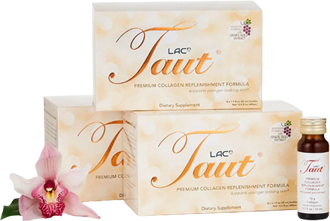
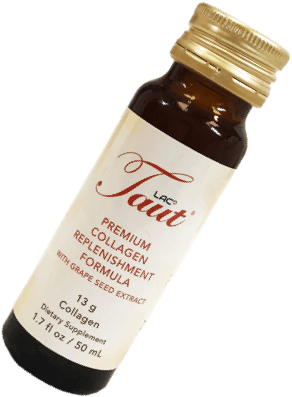
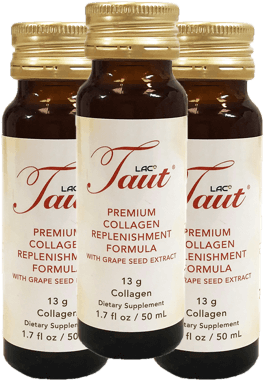
AT RenewSkin Co, we've formulated Taut® at exactly 13,000mg of Type I marine collagen based on research findings.
Taut® Premium Collagen uses clinically validated dosing backed by the exact amount used in successful skin elasticity studies. Not 2 grams because that's too little to make a difference, and not 20 grams because that's just wasteful. Exactly 7 grams of highly bioavailable marine collagen peptides.
This approach does three things:
First, it respects your body's absorption limits. Taut collagen is formulated to stay well within the range your body can actually process.
Second, it protects your wallet. Most collagen supplements on the market either underdose (leaving you wondering why you're not seeing results) or overdose (making you pay for collagen your body literally flushes away).
Third, it avoids potential side effects. Again, the side effects of too much collagen include digestive upset, potential kidney stress over time, and blood sugar fluctuations. Taut keeps you in the safe, effective zone.
Our collagen content is transparent, and the source is verified. Also, the dosing is backed by research, not marketing hype. And if you're serious about results, Renewskin's complete collagen transformation program combines optimal collagen dosing with complementary ingredients that support absorption and promotes heathy skin.
And if someone asks you can you have too much collagen or is it possible to take too much collagen, you can now send them this guide and help them stay within their body's limits.
Can You Actually "Overdose" on Collagen?

Let's start with the million-dollar question. Can you take too much collagen to the point where it's dangerous?
Technically? No, collagen won't kill you. It's an oral supplement made from food-grade protein. So you aren't gonna drop dead from an extra scoop.
However, just because something won't hospitalize you doesn't mean it's harmless. Think of excessive sun exposure. A day at the beach won't kill you, but chronic overexposure damages your skin. The harm is sub-clinical.
Sub-clinical harm means effects that won't send you to the emergency room but quietly damage your health over time. Too much collagen shows up in your kidneys, digestive system, and mineral balance.
If you're taking 20 to 30 grams of collagen daily plus normal protein intake, you're stressing your kidneys. This is one of their primary roles in protein processing. Your body produces collagen from amino acids, but excess just becomes glucose or gets filtered out.
For people with kidney conditions, this becomes risky. And no, massive collagen won't boost muscle mass or change body composition. Your body uses what it needs. The rest is waste.
So, can you take too much collagen supplement? Absolutely. You won't have to call an ambulance, but keep in mind that you're slowly stressing your organs and wasting money while at it.
Some collagen supplements contain 10 to 15% calcium by weight. If you're taking 15 to 20 grams daily, you're getting a significant calcium load. Too much causes hypercalcemia, which can lead to kidney stones, fatigue, confusion, and issues with blood vessels and blood clotting.
Most people never connect these symptoms to their supplement. When choosing a collagen supplement, look for third-party testing that includes mineral analysis.
Is too much collagen bad for you? When it stresses your kidneys and disrupts calcium balance, absolutely.
Side Effects of Excessive Collagen Intake

Your digestive tract gives you the first warning signs, usually within 1 to 3 weeks of taking too much collagen.
You'll notice persistent bloating. This happens when your intestinal lining can't keep up with the protein load. Undigested collagen ferments in your gut, creating gas and discomfort. You might also experience diarrhea or constipation, depending on your individual gut bacteria.
Bad breath is also a part and parcel of overdoing collagen supplementation. The bad breath comes from sulfur-containing amino acids in collagen. When your body breaks down the main amino acids faster than it can use them, those sulfur compounds get released. Same reason you get collagen burps or an unpleasant aftertaste.
But that's just the tip of the iceberg...
The irony of taking collagen for better skin health is that it ends up causing breakouts.
Excess collagen leads to excess amino acids. In some people, surplus protein gets converted to androgens, hormones that trigger acne. Instead of healthy skin, you're now dealing with inflammation and clogged pores.
However, this doesn't happen to everyone. But it's common enough that if you're experiencing skin aging issues or worsening wrinkled skin after starting high-dose collagen, this might be why. The skin layers react to internal hormone shifts, not just topical products.
Balance beats megadosing every time. And this only happens with excessive intake or low-quality formulations. Proper skin anti-aging requires the right dose, not the biggest one.
Keep overdoing it, and the risks compound:
-
Kidney stone formation, especially with calcium-rich marine collagen
-
Liver stress from processing excessive protein
-
Nutrient imbalance, as collagen crowds out other essential amino acids
-
Paradoxically worsening joint pain from inflammatory responses
-
Impaired wound healing when amino acid ratios get skewed
-
Effects on nail health and healthy hair when other nutrients are displaced
-
Allergic sensitization from overexposure
What happens when you stop taking collagen after overdoing it? Your body has to recalibrate. This can take days or a few weeks. Sustainable, proper dosing wins in the long term. ALWAYS!
The "Hidden" Risks Consumers Don't Consider
Most collagen brands don't test for mercury, lead, or cadmium.
Testing should be mandatory because marine collagen peptides come from fish. Fish accumulate heavy metals through bioaccumulation. When you take 20 to 30 grams daily of contaminated collagen, you're getting toxic exposure that builds up over time.
This is why dosage AND source matter. Animal collagen from land sources has different contamination risks, but marine sources specifically carry heavy metal concerns.
Premium manufacturers like Renewskinco source from wild-caught, deep-water fish from pristine waters and third-party test every collagen supplement batch.
The Interaction Nobody Warns You About
Taking collagen supplements can interact with medications your doctor doesn't even know to ask about:
-
Blood pressure meds (collagen contains hypotensive peptides that affect blood vessels)
-
Calcium supplements (additive effect causing hypercalcemia)
-
Antibiotics (protein binding in the gut reduces effectiveness)
-
Blood thinners (collagen affects blood clotting factors)
We advise you always disclose supplement use to your doctor.
Additionally, most collagen supplements use marketing tricks to hide low quality:
-
No specified source (which fish? which animal?)
-
Proprietary blends hiding actual collagen content
-
"Super high dose" claims (15-20g because it sounds impressive, not because it works)
-
Missing third-party testing certificates
Red flags in hydrolyzed collagen products include confusion between different types of collagen and mislabeling collagen type II as skin-beneficial when it's actually for joints.
The good news is that you don't need to rely only on supplements. Collagen-rich foods like bone broth, certain foods high in proline and glycine, plus citrus fruits for vitamin C, all support natural collagen production. A healthy diet matters more than megadosing supplements.
In our opinion, bone broth remains one of the most sustainable, whole-food sources. But if you supplement, choose wisely.
Conclusion
Can you take too much collagen? Yes. And now you know why.
How much collagen works? 5-10 grams daily of high-quality marine collagen. Less collagen at the right quality beats overdosing every time.
Collagen plays a crucial role in the body's collagen production, but your system has limits. Smart collagen supplementation means working with those limits, not against them.
RenewSkin Co designed Taut® at exactly 13,000mg of premium marine collagen per bottle. Our collagen peptides are clinically proven, third-party tested, and sustainably sourced. No excess, no deficiency, nothing.
Explore Taut® Premium Collagen Collection or see the complete Taut® Collagen Kit.
Alternatively, talk to a RenewSkin expert and get a quick, personal recommendation for your skin type and goals.
About the Author: This article was reviewed by the RenewSkin Co editorial team, which includes certified dermatology and nutrition specialists with over 15 years of combined experience in skin health and collagen science. Our content is grounded in peer-reviewed research and follows E-E-A-T guidelines.
Ready to experience the benefits for yourself? Shop our Liquid Collagen Drinks collection and find the right program for your skin goals.