Smile Lines: Causes, Prevention, and the Best Treatments
 collagen — treatment for smile lines" style="width:100%;height:auto;display:block;margin:0 0 28px 0;border-radius:6px;">
Quick Answer
Smile lines (nasolabial folds) are the creases that run from the sides of your nose to the corners of your mouth. They form due to a natural decline in collagen and elastin, repeated facial expressions, and sun damage. You can reduce their appearance with collagen supplements, dermal fillers, and retinoids, or slow their progression with daily sunscreen and hydration.
A life full of laughter is a beautiful thing, but the physical evidence it leaves behind—smile lines—can be a source of frustration for many. Also known as nasolabial folds, these creases become more prominent as we age, often making us look older or more tired than we feel.
While you can't stop time (or smiling!), you can absolutely take steps to soften these lines and restore a more youthful, plump appearance to your skin. In this comprehensive guide, we'll explore exactly what causes smile lines, how to prevent them from deepening, and the most effective treatments available today.
What Are Smile Lines (Nasolabial Folds)?
Smile lines are the deep creases or folds that run from the bottom of your nose down to the corners of your mouth. They are a type of dynamic wrinkle, meaning they are created by the repeated movement of your facial muscles when you smile, laugh, or talk.
In our youth, our skin is rich in collagen and elastin, allowing it to easily "snap back" into place after we make an expression. However, as we age, the skin loses its structural support, and these temporary folds gradually become permanent, static wrinkles that are visible even when your face is at rest.
What Causes Smile Lines?
The development of nasolabial folds is a natural part of the aging process, but several factors contribute to how early they appear and how deep they become:
- Collagen and Elastin Depletion: Starting in our mid-20s, our bodies produce about 1% less collagen each year. This loss of structural protein causes the skin to thin and lose its firmness, making it more susceptible to folding.
- Repeated Facial Expressions: Decades of smiling, laughing, and talking naturally etch lines into the skin over time.
- Sun Damage (Photoaging): UV rays accelerate the breakdown of collagen and elastin fibers in the dermis, leading to premature wrinkling and sagging.
- Loss of Facial Fat: As we age, the fat pads in our cheeks begin to shrink and descend. This loss of volume causes the skin to sag downward, deepening the folds around the mouth.
- Genetics: Your DNA plays a significant role in your skin's thickness, elasticity, and how you age.
- Lifestyle Factors: Smoking, poor diet, chronic stress, and lack of sleep generate free radicals that damage skin cells and accelerate aging.
How to Prevent Smile Lines from Deepening
While you can't completely stop the aging process, you can significantly slow down the formation of smile lines with a proactive skincare and lifestyle routine:
- Wear Sunscreen Daily: Apply a broad-spectrum SPF 30 or higher every single day, rain or shine. This is the single most effective way to protect your existing collagen from UV degradation.
- Stay Hydrated: Dehydrated skin looks crepey and makes fine lines appear deeper. Drink plenty of water and use a moisturizer rich in hyaluronic acid to keep your skin plump.
- Incorporate Antioxidants: Use a Vitamin C serum in the morning to neutralize free radicals and protect your skin from environmental damage.
- Use Retinoids: retinol or prescription retinoids stimulate cellular turnover and boost collagen production, helping to keep the skin firm and smooth.
- Maintain a Stable Weight: Yo-yo dieting and rapid weight loss can stretch the skin and exacerbate the loss of facial volume, making nasolabial folds more pronounced.
- Nourish from Within: Eat a diet rich in antioxidants, healthy fats, and amino acids to support your skin's natural repair processes.
The Best Treatments for Smile Lines
If your smile lines are already established, prevention alone won't be enough. Fortunately, there are several effective treatments ranging from natural supplements to clinical procedures.
1. Liquid Collagen Supplements (The Inside-Out Approach)
Topical creams can only do so much because collagen molecules are too large to penetrate the dermis. The most effective way to restore your skin's structural integrity is from within.
High-quality liquid collagen supplements deliver hydrolyzed collagen peptides directly to your bloodstream, where they trigger your body's natural wound-healing response to produce new collagen and elastin [1].
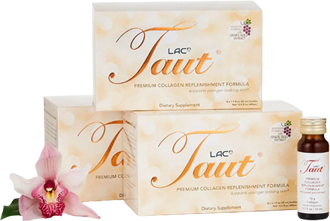
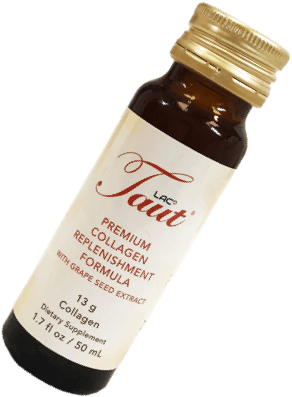
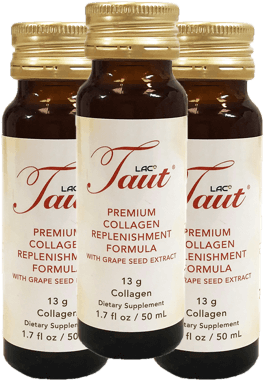
For the best results, we recommend Taut Premium Collagen Replenishment Formula. This advanced liquid collagen drink contains a massive 13,000mg of marine collagen peptides per serving, along with elastin, hyaluronic acid, grape seed extract, and vitamin C. It's clinically proven to improve skin elasticity, increase moisture, and visibly reduce the appearance of fine lines and wrinkles.
2. Dermal Fillers
Hyaluronic acid fillers (like Juvederm or Restylane) are the most common clinical treatment for nasolabial folds. A dermatologist injects the filler directly into the crease to plump the skin and smooth out the line. Results are immediate and typically last 6 to 12 months.
3. microneedling
Also known as collagen induction therapy, microneedling uses tiny needles to create micro-injuries in the skin. This stimulates the body's natural healing process, boosting collagen and elastin production to firm the skin and reduce the depth of wrinkles.
4. Laser Resurfacing
Fractional lasers remove the damaged outer layers of skin while heating the underlying dermis to stimulate new collagen growth. This treatment can significantly improve skin texture and reduce the appearance of moderate to deep smile lines.
5. Botox (Neuromodulators)
While Botox is highly effective for wrinkles on the upper face (like forehead lines and crow's feet), it is rarely used for smile lines. Because these lines are located around the mouth, injecting a muscle relaxant here can interfere with your ability to smile, speak, or eat properly.
Conclusion: Embrace Your Smile, Soften the Lines
Smile lines are a testament to a life well-lived, but you don't have to let them dictate your appearance. By combining a solid skincare routine, sun protection, and a high-quality collagen supplement like Taut, you can restore your skin's firmness and keep those nasolabial folds at bay.
Frequently Asked Questions
Can you reverse smile lines naturally?
While you cannot completely erase deep, static smile lines naturally, you can significantly soften their appearance. A combination of daily sun protection, topical retinoids, hyaluronic acid, and a high-potency liquid collagen supplement can rebuild the skin's structural support and plump the creases from the inside out.
What is the best filler for nasolabial folds?
Hyaluronic acid (HA) fillers, such as Juvederm Vollure or Restylane Defyne, are generally considered the best options for nasolabial folds. They provide natural-looking volume, integrate well with the facial tissue, and can be dissolved if necessary.
At what age do smile lines usually appear?
Dynamic smile lines (visible only when smiling) can appear in your 20s. However, static smile lines (visible when the face is at rest) typically begin to form in your 30s or 40s as collagen and elastin levels naturally decline and facial volume begins to shift.
Does drinking water help with smile lines?
Yes, staying hydrated is crucial for skin health. Dehydrated skin loses its plumpness, making fine lines and wrinkles appear much deeper and more pronounced. Drinking adequate water and using topical hyaluronic acid helps maintain the skin's moisture barrier.
References
[1] Proksch, E., Segger, D., Degwert, J., Schunck, M., Zague, V., & Oesser, S. (2014). Oral supplementation of specific collagen peptides has beneficial effects on human skin physiology: a double-blind, placebo-controlled study. Skin pharmacology and physiology, 27(1), 47-55. https://pubmed.ncbi.nlm.nih.gov/23949208/
[2] Ganceviciene, R., Liakou, A. I., Theodoridis, A., Makrantonaki, E., & Zouboulis, C. C. (2012). Skin anti-aging strategies. Dermato-endocrinology, 4(3), 308-319. https://pubmed.ncbi.nlm.nih.gov/23467476/