Forehead Wrinkles: Causes, Prevention, and the Best Treatments
 collagen — treatment for forehead wrinkles" style="width:100%;height:auto;display:block;margin:0 0 28px 0;border-radius:6px;">
Quick Answer
Forehead wrinkles form due to a combination of repeated facial expressions (like raising your eyebrows), sun damage, and the natural age-related decline of collagen and elastin. You can reduce their appearance with Botox, retinoids, and hyaluronic acid, or slow their formation by wearing daily SPF, staying hydrated, and taking a high-quality liquid collagen supplement to rebuild the skin's structural support.
Your forehead is one of the most expressive parts of your face. Whether you're surprised, confused, angry, or deep in thought, your forehead muscles are constantly at work. Unfortunately, this constant movement makes the forehead one of the first places to develop noticeable wrinkles.
From horizontal lines across the brow to the vertical "11 lines" between the eyes, forehead wrinkles can make you look stressed or older than you are. If you're looking to smooth out these lines and restore a youthful, relaxed appearance, this guide covers everything you need to know about the causes, prevention, and the most effective treatments for forehead wrinkles.
What Causes Forehead Wrinkles?
Forehead wrinkles are primarily "dynamic wrinkles," meaning they are caused by muscle movement. However, several other factors contribute to them becoming permanent, "static" lines:
- Repeated Facial Expressions: Every time you raise your eyebrows, the frontalis muscle contracts, folding the skin. Over decades, these repeated folds etch permanent lines into the skin.
- Collagen and Elastin Loss: As we age, our bodies produce less collagen (which provides firmness) and elastin (which provides bounce). Without these proteins, the skin cannot snap back into place after an expression, causing the folds to remain visible even when the face is at rest.
- Sun Damage: UV rays penetrate the skin and destroy existing collagen and elastin fibers. This photoaging process accelerates the formation of all wrinkles, especially on the highly exposed forehead.
- Dehydration: When the skin lacks moisture, it becomes crepey and less resilient, making fine lines appear much deeper and more pronounced.
- Stress: Chronic stress not only causes you to furrow your brow more often, but it also releases cortisol, a hormone that breaks down collagen in the skin.
How to Prevent Forehead Wrinkles
While you can't stop aging, you can absolutely slow down the formation of forehead lines with a few daily habits:
- Wear Sunscreen Daily: Apply a broad-spectrum SPF 30 or higher every single day. Protecting your forehead from UV rays is the most effective way to preserve your natural collagen.
- Wear Sunglasses: Squinting in the bright sun is a major cause of the "11 lines" (glabellar lines) between your eyebrows. Wearing sunglasses prevents this repetitive muscle contraction.
- Hydrate Inside and Out: Drink plenty of water and use a moisturizer containing hyaluronic acid to keep the skin plump and resilient.
- Use Retinoids: Incorporate a retinol or prescription retinoid into your nighttime routine. Retinoids speed up cell turnover and stimulate collagen production, keeping the skin smooth.
- Manage Stress: Practice mindfulness, meditation, or yoga to reduce cortisol levels and relax the facial muscles.
The Best Treatments for Forehead Wrinkles
If your forehead lines are already etched in, prevention alone won't erase them. Here are the most effective treatments to smooth the skin and restore a youthful brow.
1. Liquid Collagen Supplements (The Inside-Out Approach)
To permanently improve the texture and resilience of your skin, you need to rebuild the collagen matrix from within. Topical creams cannot penetrate deeply enough to replace lost collagen.
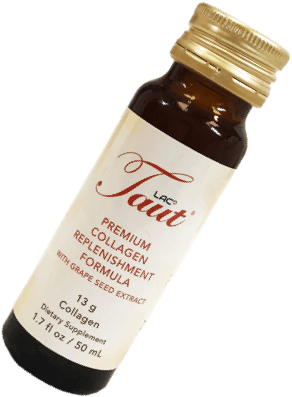
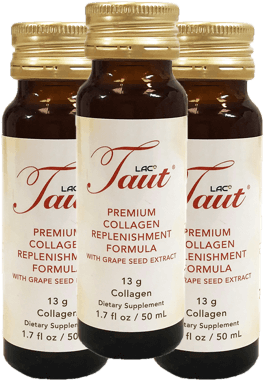
A high-quality liquid collagen supplement delivers hydrolyzed collagen peptides directly to the dermis via the bloodstream. We highly recommend Taut Premium Collagen Replenishment Formula. With a massive 13,000mg of marine collagen peptides per serving, it triggers your body's natural wound-healing response to produce new collagen and elastin. This plumps the skin from the inside out, significantly reducing the depth and visibility of forehead wrinkles.
2. Botox (Neuromodulators)
Botox is the gold standard clinical treatment for forehead wrinkles. By injecting a neuromodulator into the frontalis muscle, it temporarily paralyzes the muscle, preventing it from contracting and folding the skin. This allows the skin to rest and smooth out over time. Results typically last 3 to 4 months.
3. Hyaluronic Acid Serums
Hyaluronic acid is a humectant that can hold up to 1,000 times its weight in water. Applying a high-quality HA serum to a damp forehead instantly plumps the skin, filling in fine lines and making them much less noticeable.
4. Chemical Peels and Lasers
For deep, static forehead lines, resurfacing treatments like chemical peels or fractional lasers can be highly effective. These treatments remove the damaged outer layers of skin and stimulate massive collagen production in the deeper layers, resulting in smoother, tighter skin.
5. Frownies or Facial Patches
Facial patches (like Frownies) are stiff adhesive patches you wear on your forehead overnight. They physically hold the skin flat and prevent you from furrowing your brow in your sleep, acting like a temporary, non-invasive Botox.
Conclusion: Smooth Your Brow
Forehead wrinkles are a natural part of aging, but they don't have to be permanent. By protecting your skin from the sun, exploring treatments like Botox or retinoids, and rebuilding your skin's structural foundation with a premium collagen supplement like Taut, you can achieve a smoother, more relaxed, and youthful forehead.
Frequently Asked Questions
Can you get rid of forehead wrinkles without Botox?
Yes, while Botox is the fastest clinical fix, you can significantly reduce forehead wrinkles naturally. A combination of daily SPF, topical retinoids, hyaluronic acid, and a high-dose liquid collagen supplement can rebuild the skin's elasticity and plump the lines from within.
At what age should I start worrying about forehead wrinkles?
Preventative care should start in your 20s with daily sunscreen and hydration. Dynamic lines (visible only when you raise your brows) often appear in the 20s, while static lines (visible at rest) typically begin to form in the 30s or 40s as collagen levels decline.
Do facial exercises help with forehead wrinkles?
No, facial exercises (face yoga) can actually make forehead wrinkles worse. Because forehead lines are caused by repetitive muscle contractions, exercising those muscles will only fold the skin more frequently, deepening the creases.
Does drinking water help with forehead wrinkles?
Yes, staying hydrated is crucial. Dehydrated skin loses its plumpness, making fine lines and wrinkles appear much deeper and more pronounced. Drinking adequate water and using topical hyaluronic acid helps maintain the skin's moisture barrier.
References
[1] Proksch, E., Segger, D., Degwert, J., Schunck, M., Zague, V., & Oesser, S. (2014). Oral supplementation of specific collagen peptides has beneficial effects on human skin physiology: a double-blind, placebo-controlled study. Skin pharmacology and physiology, 27(1), 47-55. https://pubmed.ncbi.nlm.nih.gov/23949208/
[2] Ganceviciene, R., Liakou, A. I., Theodoridis, A., Makrantonaki, E., & Zouboulis, C. C. (2012). Skin anti-aging strategies. Dermato-endocrinology, 4(3), 308-319. https://pubmed.ncbi.nlm.nih.gov/23467476/