How to Boost Collagen Naturally: The Complete Guide
Quick Answer: To boost collagen naturally, you must combine a diet rich in collagen-building amino acids (like bone broth and lean proteins) with essential cofactors like vitamin C, zinc, and copper. For the most significant and visible anti-aging results, clinical studies show that supplementing with high-quality, hydrolyzed marine collagen peptides is the most effective way to stimulate your body's natural collagen production.

If you are looking in the mirror and noticing that your skin does not quite have the same bounce it used to, you are likely experiencing the natural decline of collagen. It is a frustrating reality of aging: starting in our mid-20s, our bodies produce about 1% less collagen each year. By the time we reach 50, we have lost a significant portion of the structural protein that keeps our skin firm, our joints flexible, and our hair strong.
The good news? You do not have to just accept this decline. While you cannot stop the clock, you can absolutely influence how your body produces and maintains collagen. In this comprehensive guide, we will explore the science-backed methods on how to boost collagen naturally, from dietary changes and lifestyle adjustments to the most effective supplementation strategies available today.
Understanding the Collagen Production Process
Before we dive into how to boost it, it is helpful to understand how your body makes collagen in the first place. Your body does not just absorb collagen whole; it builds it from scratch using specific raw materials.
The Collagen Factory: Your body creates collagen by combining amino acids--specifically glycine, proline, and hydroxyproline. However, this process cannot happen without the presence of crucial cofactors, most notably vitamin C. Without adequate vitamin C, collagen synthesis grinds to a halt, regardless of how many amino acids you consume.
This means that boosting collagen naturally is a two-part equation: providing the building blocks (amino acids) and providing the tools to assemble them (cofactors). If you are missing either half of the equation, your body's collagen production will remain sluggish.
Dietary Strategies: Foods That Boost Collagen
Your diet plays a foundational role in your skin's health. While eating collagen-rich foods will not directly translate to collagen in your skin, it provides the necessary amino acids for your body to use.
Bone Broth: Simmering animal bones extracts collagen, releasing amino acids into the broth. It is one of the few foods that contains bioavailable collagen. However, the concentration of amino acids can vary wildly depending on how the broth is prepared.
Lean Proteins: Chicken, fish, and egg whites are excellent sources of the amino acids proline and glycine. Ensuring you have adequate protein intake is the first step in providing your body with the raw materials it needs.
Vitamin C Powerhouses: Citrus fruits, bell peppers, strawberries, and broccoli are essential. Remember, vitamin C is the key that unlocks collagen synthesis. Without it, the amino acids you consume cannot be converted into stable collagen fibers.
Zinc and Copper: Found in oysters, nuts, seeds, and whole grains, these minerals are vital cofactors in the collagen production process. They help link the amino acids together to form strong, resilient collagen strands.
While a healthy diet is crucial, it is often difficult to consume enough of these specific nutrients daily to see a dramatic reversal in skin aging. This is where targeted supplementation becomes a game-changer.
The Most Effective Way to Boost Collagen: Hydrolyzed Peptides
If you want to know how to boost collagen naturally with the most visible results, the answer lies in hydrolyzed collagen peptides. But not all collagen is created equal.
When you consume regular collagen (like from bone broth or cheap gelatin), the molecules are too large for your body to absorb efficiently. Your digestive system breaks them down into basic amino acids, treating them like any other protein source. Hydrolyzed collagen, however, has been broken down into tiny, highly bioavailable peptides.
When these peptides enter your bloodstream, they do something remarkable: they act as "false breakdown" signals. Your body detects these peptides, assumes collagen is breaking down, and kicks its own natural collagen production into high gear. This targeted stimulation is what makes high-quality supplements so effective.
For anti-aging purposes, marine collagen is the gold standard. It is primarily Type I collagen--the exact type that makes up 85% of your skin. You can read more about the benefits of marine sources in our article on marine collagen.
Lifestyle Factors That Destroy Collagen
Boosting collagen is not just about what you put into your body; it is also about what you avoid. Several lifestyle factors actively destroy your existing collagen and inhibit new production.
UV Exposure: Sun damage is the number one cause of premature aging. UV rays penetrate the dermis and break down collagen fibers at an accelerated rate. Wearing a broad-spectrum SPF daily is non-negotiable if you want to preserve your collagen.
Smoking: Smoking reduces blood flow to the skin, depriving it of oxygen and nutrients. It also introduces free radicals that actively destroy collagen and elastin, leading to the classic "smoker's lines" around the mouth.
Excess Sugar: A diet high in refined sugars leads to a process called glycation. Sugar molecules attach to collagen fibers, making them stiff, brittle, and prone to breaking. This results in sagging skin and deep wrinkles. If you are concerned about sugar intake, our guide on good sugar vs bad sugar provides helpful insights.
The Premier Choice: Taut Premium Collagen Advanced Formula
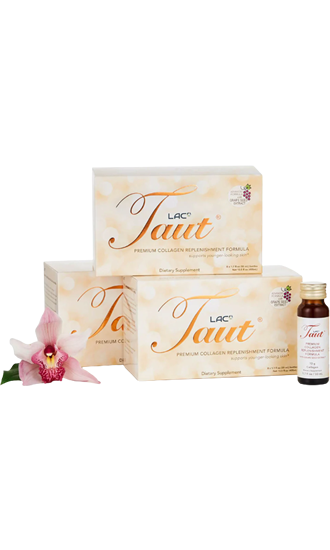
To truly stimulate your body's collagen production, you need a clinical-grade dose of high-quality peptides. This is why we recommend the Taut Premium Collagen Advanced Formula.
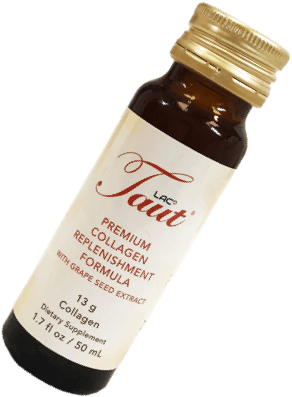
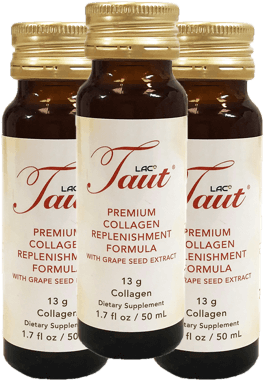
Unlike powders that offer 2-5 grams of collagen, each bottle of Taut delivers a massive 13,000mg of premium, hydrolyzed marine collagen peptides. Crucially, it is formulated with vitamin C to ensure your body can actually use those peptides to build new collagen. It also includes hyaluronic acid and grape seed extract to hydrate and protect your newly formed collagen from free radical damage. It is the ultimate, all-in-one solution for boosting collagen naturally from within.
When Will I See Results? A Realistic Timeline
Boosting collagen is a biological process, which means it takes time. Here is what you can expect when you commit to a high-quality supplement routine:
Weeks 1-4: The Hydration Phase
During the first month, the most immediate change is increased skin hydration. The combination of collagen peptides and hyaluronic acid works to draw moisture into the dermis. Your skin will likely feel softer, less dry, and more supple. If you struggle with dry skin, this initial phase will provide significant relief.
Weeks 4-8: The Firming Phase
As your body's natural collagen production ramps up, you will start to see structural improvements. Fine lines may begin to soften, and your skin will take on a firmer, more radiant appearance. You may also notice your nails becoming stronger and less prone to breakage.
Weeks 8-12+: The Transformation Phase
By the three-month mark, the compounding effects of increased collagen synthesis become highly visible. Deep wrinkles are often noticeably reduced, skin elasticity is improved, and sagging is minimized. Many users also report thicker, healthier hair and improved joint comfort.
Complementary Topical Treatments
While internal supplementation is the most effective way to boost collagen, topical treatments can provide excellent complementary support.
Vitamin C Serums: Applying vitamin C directly to the skin can help stimulate local collagen production and protect against UV damage. It is a powerful antioxidant that works synergistically with oral collagen supplements.
Retinoids: Derived from vitamin A, retinoids are clinically proven to stimulate collagen production and increase cellular turnover. They are highly effective at reducing fine lines and improving skin texture. For more information on how to incorporate vitamin A into your routine, read our article on vitamin A for skin.
Collagen Masks: For an immediate, temporary boost of hydration and plumping, a high-quality collagen face mask is an excellent addition to your weekly skincare routine.
Frequently Asked Questions
How to boost collagen naturally?
To boost collagen naturally, consume a diet rich in amino acids (bone broth, lean proteins) and vitamin C (citrus, bell peppers). However, the most effective method is taking a high-quality, hydrolyzed marine collagen supplement, which directly stimulates your body's own fibroblasts to produce new collagen.
How to naturally boost collagen production?
Naturally boosting collagen production requires providing your body with the right building blocks and cofactors. This means combining hydrolyzed collagen peptides with vitamin C. Lifestyle factors also matter: protect your skin from UV damage, quit smoking, and manage stress, as these all accelerate collagen breakdown.
How to boost collagen in face naturally?
To boost collagen specifically in your face, oral supplementation with Type I marine collagen is highly effective, as it targets the dermis from within. You can also incorporate topical treatments like vitamin C serums and retinoids, which stimulate collagen production from the outside in.
What foods boost collagen production naturally?
Foods that boost collagen production include bone broth (which contains bioavailable collagen), chicken, fish, and egg whites (for amino acids). Equally important are foods high in vitamin C, such as oranges, strawberries, and broccoli, which are required for the body to synthesize collagen.
Does drinking water help collagen production?
While drinking water does not directly produce collagen, staying hydrated is essential for maintaining the health and plumpness of existing collagen fibers. Dehydrated skin appears more wrinkled and less elastic. For a deeper dive, read our article on does drinking water help your skin.
Conclusion
Boosting your body's collagen production is entirely possible when you approach it with a comprehensive, science-backed strategy. By combining a nutrient-rich diet, protective lifestyle habits, and targeted topical treatments, you can create the optimal environment for healthy skin.
However, for the most dramatic and visible anti-aging results, high-dose, hydrolyzed marine collagen supplementation is the key. By providing your body with the exact peptides and cofactors it needs, you can actively stimulate new collagen synthesis from within. If you are ready to transform your skin, explore the RenewSkin Co collection and discover the power of the Taut Premium Collagen Advanced Formula.
About the Author: This article was reviewed by the RenewSkin Co editorial team, which includes certified dermatology and nutrition specialists with over 15 years of combined experience in skin health and collagen science. Our content is grounded in peer-reviewed research and follows E-E-A-T guidelines.
References:
- Pullar, J. M., Carr, A. C., & Vissers, M. C. M. (2017). The Roles of Vitamin C in Skin Health. Nutrients, 9(8), 866. https://doi.org/10.3390/nu9080866
- De Luca, C., Mikhal'chik, E. V., Suprun, M. V., Papacharalambous, M., Truhanov, A. I., & Korkina, L. G. (2016). Skin Antiageing and Systemic Redox Effects of Supplementation with Marine Collagen Peptides and Plant-Derived Antioxidants: A Single-Blind Case-Control Clinical Study. Oxidative medicine and cellular longevity, 2016, 4389410. https://doi.org/10.1155/2016/4389410
- Proksch, E., Segger, D., Degwert, J., Schunck, M., Zague, V., & Oesser, S. (2014). Oral supplementation of specific collagen peptides has beneficial effects on human skin physiology: a double-blind, placebo-controlled study. Skin pharmacology and physiology, 27(1), 47-55. https://karger.com/spp/article-abstract/27/1/47/295784/Oral-Supplementation-of-Specific-Collagen-Peptides