Essential Oils for Skin: The Complete Guide to Natural Anti-Aging

When it comes to natural skincare, few ingredients have stood the test of time quite like essential oils. From ancient Egyptian beauty rituals to modern luxury serums, these potent plant extracts have been celebrated for their ability to transform the complexion. But with hundreds of options available, navigating the world of essential oils for skin can feel overwhelming.
Which oils actually work for anti-aging? Which ones are safe for sensitive skin? And more importantly, can topical oils alone truly reverse the signs of aging, or do they need to be part of a more comprehensive approach?
In this complete guide, we will explore the science behind the best essential oils for skin, how to use them safely, and why pairing them with a high-quality liquid collagen supplement is the ultimate secret to a radiant, youthful complexion.
What Are Essential Oils?
"Essential oils are highly concentrated, volatile plant extracts obtained through distillation or mechanical pressing. They contain the natural chemicals that give plants their distinct essence, odor, and flavor, along with potent therapeutic properties."
Unlike carrier oils (such as jojoba, argan, or coconut oil), which are fatty and used to moisturize the skin, essential oils are not actually "oils" in the traditional sense. They are complex mixtures of organic compounds like terpenes, esters, and aldehydes. Because they are so highly concentrated, they must always be diluted in a carrier oil before being applied to the skin.
The 7 Best Essential Oils for Skin Health
Different essential oils offer vastly different benefits. Whether you are dealing with acne, dryness, or fine lines, there is likely a botanical extract that can help. Here are the top seven essential oils for skin, backed by both historical use and modern research.
1. Frankincense Oil: The Anti-Aging Powerhouse
Often referred to as the "king of oils," frankincense is renowned for its cytophylactic properties—meaning it helps protect existing cells and encourages the growth of new ones. It is particularly effective at reducing the appearance of wrinkles, age spots, and uneven skin tone. When applied topically (diluted), it helps tighten the skin and improve elasticity.
2. Lavender Oil: The Ultimate Soother
Lavender is perhaps the most versatile of all essential oils. It is famous for its calming scent, but its benefits for the skin are equally impressive. Lavender possesses strong anti-inflammatory and antibacterial properties, making it an excellent choice for soothing irritated skin, reducing redness, and calming conditions like eczema or minor sunburns.
3. Tea Tree Oil: The Blemish Fighter
If you struggle with breakouts, tea tree oil is a must-have. Extracted from the leaves of the Australian Melaleuca alternifolia tree, it is a powerful natural antimicrobial. Research has shown that tea tree oil can be as effective as benzoyl peroxide in treating mild to moderate acne, but with fewer harsh side effects like peeling and excessive dryness.
4. Rose Oil: For Deep Hydration and Radiance
True rose essential oil (often called rose otto) is incredibly precious and expensive, requiring thousands of rose petals to produce a single drop. It is highly emollient, making it perfect for dry or mature skin. Rose oil helps refine skin texture, reduce the appearance of broken capillaries, and impart a healthy, luminous glow.
5. Geranium Oil: The Brightener
Geranium oil is excellent for balancing sebum production, making it suitable for both dry and oily skin types. It also promotes blood circulation just below the surface of the skin, which helps brighten a dull complexion and promote a more vibrant, healthy appearance.
6. Ylang Ylang Oil: For Balance and Tone
Extracted from the star-shaped flowers of the tropical ylang-ylang tree, this oil is known for its ability to balance oil production. It is also rich in antioxidants, which help protect the skin from environmental stressors and free radical damage that accelerate the aging process.
7. Helichrysum Oil: The Rejuvenator
Helichrysum is highly valued for its restorative properties. It contains unique compounds called diketones, which are believed to help reduce the appearance of age spots, discoloration, and minor scarring. It is a fantastic addition to any anti-aging skincare routine.
How to Use Essential Oils Safely
Because essential oils are so potent, using them incorrectly can lead to severe skin irritation, chemical burns, or allergic reactions. Follow these crucial safety guidelines:
- Always Dilute: Never apply essential oils directly to the skin. They must be diluted in a carrier oil (like sweet almond, rosehip, or jojoba oil). A safe dilution ratio for facial application is typically 1% (about 6 drops of essential oil per ounce of carrier oil).
- Perform a Patch Test: Before applying a new oil to your face, test a diluted drop on your inner forearm and wait 24 hours to ensure you don't have an adverse reaction.
- Watch for Photosensitivity: Certain oils, particularly citrus oils like lemon, lime, and bergamot, can make your skin highly sensitive to sunlight, leading to severe burns or hyperpigmentation. Avoid sun exposure for at least 12 hours after applying these oils.
- Choose High Quality: Look for 100% pure, therapeutic-grade essential oils from reputable brands. Avoid synthetic fragrance oils, which offer no skincare benefits and can cause irritation.
The Missing Link: Why Topical Oils Aren't Enough
While essential oils can provide excellent surface-level benefits—soothing inflammation, fighting bacteria, and providing antioxidant protection—they have a significant limitation: they cannot rebuild the structural foundation of your skin.
The visible signs of aging—sagging, deep wrinkles, and loss of firmness—are not caused by surface issues. They are caused by the depletion of collagen in the dermis, the deep layer of the skin. Starting in our mid-20s, our bodies produce about 1% less collagen each year. By age 50, we have lost up to a third of our natural collagen.
No topical oil, no matter how potent, can replace lost collagen. To truly transform your skin and achieve lasting anti-aging results, you must address the problem from the inside out.
The Ultimate Skincare Routine: Essential Oils + Liquid Collagen
The most effective skincare strategy combines the surface-level protection of essential oils with the deep structural repair of a premium collagen supplement. This inside-out, outside-in approach delivers results that neither method can achieve alone.
When you consume a high-quality liquid collagen supplement, the collagen peptides are absorbed into your bloodstream and delivered directly to the dermis. There, they trigger your body's own fibroblasts to produce new collagen, elastin, and hyaluronic acid. This plumps the skin from within, reducing the depth of wrinkles and restoring youthful elasticity.
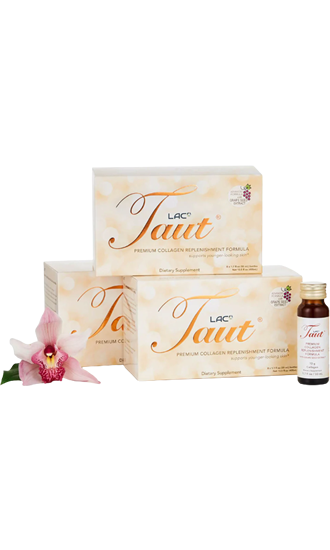
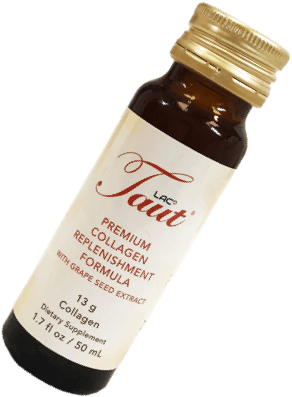
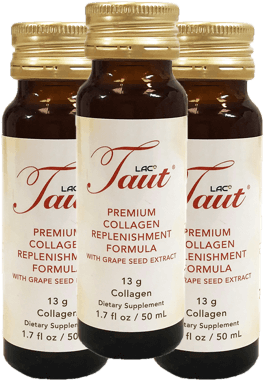
For the best results, we recommend Taut Premium Liquid Collagen Drink. Unlike standard collagen powders, Taut delivers a massive 13,000mg of premium marine collagen peptides per bottle, along with elastin, hyaluronic acid, grape seed extract, and vitamin C. This clinical-strength formula is designed to visibly lift, tone, and hydrate the skin in just a few weeks.
When Will I See Results?
When combining a topical essential oil routine with a daily liquid collagen supplement, here is the timeline you can expect:
- Weeks 1-2: You will notice immediate surface hydration and a brighter, more radiant glow from the topical oils. Internally, the collagen peptides are beginning to stimulate your fibroblasts.
- Weeks 3-4: The internal benefits become visible. Skin feels softer, more hydrated, and noticeably plumper. Fine lines begin to soften.
- Weeks 8-12+: Deep structural changes occur. Skin elasticity improves significantly, deeper wrinkles are reduced, and the complexion looks visibly firmer and more youthful.
Conclusion
Essential oils for skin are a wonderful, natural addition to your beauty arsenal. Oils like frankincense, lavender, and rose can soothe, protect, and brighten your complexion. However, to truly combat the signs of aging, you must pair your topical routine with internal support.
By combining the botanical power of essential oils with the structural repair of Taut Premium Liquid Collagen, you can achieve the firm, radiant, and youthful skin you deserve.
Frequently Asked Questions
Can I put essential oils directly on my face?
No, you should never apply pure essential oils directly to your face. They are highly concentrated and can cause severe irritation, redness, or chemical burns. Always dilute them in a carrier oil, such as jojoba, argan, or rosehip oil, at a safe concentration (typically 1% for facial use).
Which essential oil is best for anti-aging?
Frankincense is widely considered the best essential oil for anti-aging. It helps protect skin cells, encourages new cell growth, and can reduce the appearance of wrinkles and age spots. Rose and helichrysum are also excellent choices for mature skin.
Do essential oils build collagen?
While some essential oils contain antioxidants that help protect existing collagen from free radical damage, they cannot significantly build new collagen in the deep layers of the skin. To rebuild collagen and restore skin elasticity, you need an internal supplement like a high-quality marine collagen drink.
Are essential oils safe for acne-prone skin?
Yes, certain essential oils are excellent for acne-prone skin. Tea tree oil is the most famous, known for its powerful antibacterial properties that help fight acne-causing bacteria. Always dilute it properly, as using it neat can dry out and irritate the skin, making breakouts worse.
References:
[1] Orchard, A., & van Vuuren, S. (2017). Commercial Essential Oils as Potential Antimicrobials to Treat Skin Diseases. Evidence-Based Complementary and Alternative Medicine. https://www.ncbi.nlm.nih.gov/pmc/articles/PMC5435909/
[2] Pazyar, N., et al. (2014). A review of applications of tea tree oil in dermatology. International Journal of Dermatology. https://pubmed.ncbi.nlm.nih.gov/22998411/