Keto Skin: Top Benefits of the Ketogenic Diet & Ketosis on Skin
Quick Answer: The ketogenic diet can benefit skin health by reducing insulin spikes that trigger acne-causing inflammation, while promoting fat-soluble vitamin absorption that supports skin barrier function. However, the initial transition phase may cause temporary dryness or breakouts as the body adapts -- pairing keto with a quality collagen supplement helps maintain skin hydration and elasticity.
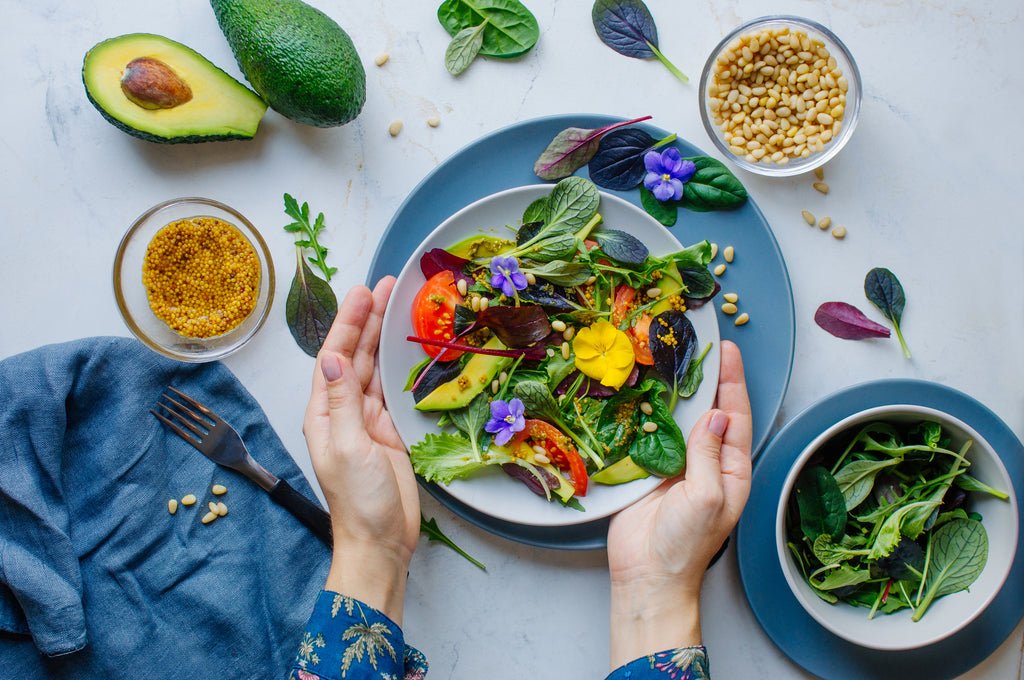
The Keto Diet may be good for your waistline and for trimming down fat. But is it also good for your skin health?
Keto's strict low-carb diet is among some of the most popular health and wellness regimens over the past few years, claiming to promote effective weight loss with lower hunger levels compared to other types of diets. Now it seems that it's not only your waistline that could feel the benefits of a ketogenic diet. Skin care and beauty experts suggest that dietary changes can have a positive impact on your complexion, too.
We all know that the food we eat can impact how our skin looks and feels, particularly when we see the negative impacts of smoking, alcohol, or too much sugar on our complexions. Eating healthily and using the best skin care products are essential to maintaining youthful and radiant skin.
So where does the keto diet come in, and what advantages might it have over any other diets?
Reducing your carbohydrate intake with the low-carb keto diet could help improve acne symptoms, regulate sebum production, reduce inflammation, and even provide anti-aging effects. However, it is also a very strict diet that many may find hard to follow. So is it worth it?
We share the pros and cons of the keto diet, how it works, and what it might be able to do for your complexion.
What is the Keto Diet & How Does It Work?
The keto diet, also called the low-carb, high-fat diet (LCHF diet), is a low-carb, high-fat diet that purports to aid in weight loss, treat epilepsy in children, control blood sugar levels, reduce total cholesterol and even fight acne. [1]
It works by inducing the body to turn to fat stores rather than glucose to use as energy. When we consume carbs, the body produces glucose and insulin. The insulin is produced to process the glucose, while glucose is a molecule used as energy. Your body will usually turn to glucose more often than other energy sources. Thus, reducing your carbohydrate intake with a low-carb diet produces less glucose, inducing the body to rely on fat stores as an energy source. This is one reason why a ketogenic diet can result in weight loss.
Ketosis is a process used by the body to keep us in survival mode, i.e. help us survive when food is scarce. While your body is in ketosis, it produces ketones, which are created when the liver breaks down fat. The ketogenic diet allows the body to maintain this state of ketosis, which lowers blood sugar and insulin levels.
What Foods Are in the Keto Diet?
The ketogenic diet consists of 70-80% fat, 15-25% protein, and 5% carbohydrates.
Food to avoid eating on the keto diet includes:
- grains (wheat, corn, rice), starch (potatoes)
- sugar (refined sugar, corn syrup, maple syrup), sugar-free products
- low-fat or diet products
- alcoholic drinks like beer, wine, and spirits
- fruit juice and most fruit (oranges, bananas, apples)
- beans or legumes
- sweet vegetables like squash, beets, and carrots
- most dairy (except butter and some cheeses)
- most processed foods
Food you can eat on a keto diet includes:
- protein (red meat, fatty fish like salmon, poultry, tofu, eggs)
- leafy greens (spinach, collard greens, kale)
- low carb vegetables (peppers, mushrooms, asparagus, celery, tomatoes, broccoli, and cauliflower are all low in carbs)
- nuts, seeds, high-fat dairy products like butter and heavy cream
- avocados, berries
- High-fat foods like avocado, butter, egg yolks, some salad dressings, olive oil, avocado oil, coconut oil, sunflower oil, and bacon
Your carbohydrate intake should be low - you can only eat about 10-15 grams of carbs for an entire day. That comes out to approximately 10-15 grapes, an eight-ounce serving of milk, or an eight-ounce serving of plain yogurt.
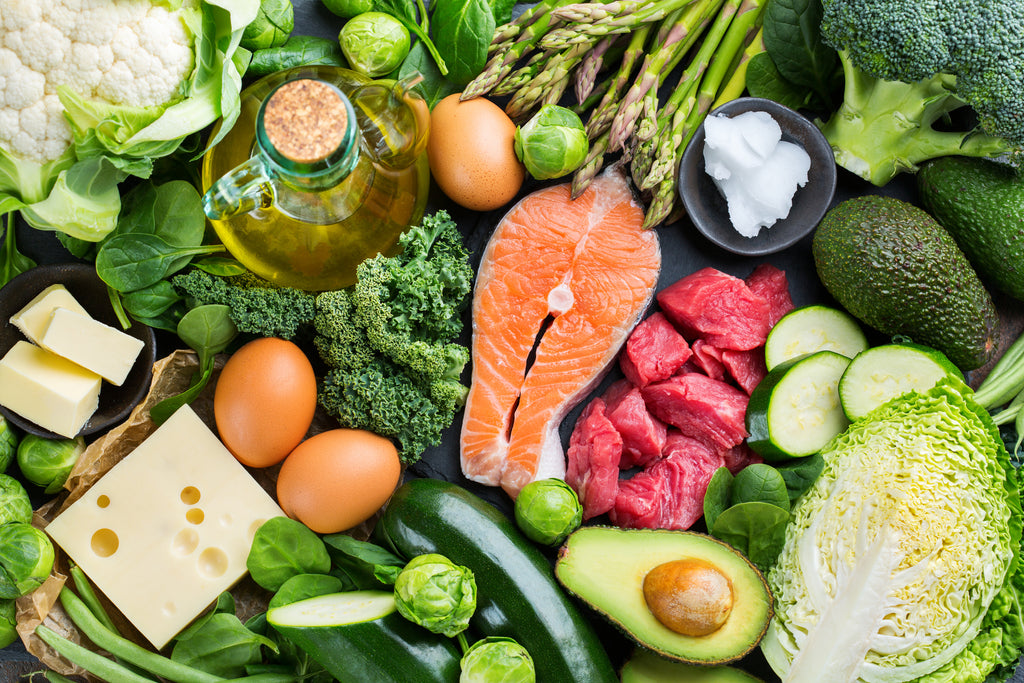
Sample of a Low-Carb Keto Diet
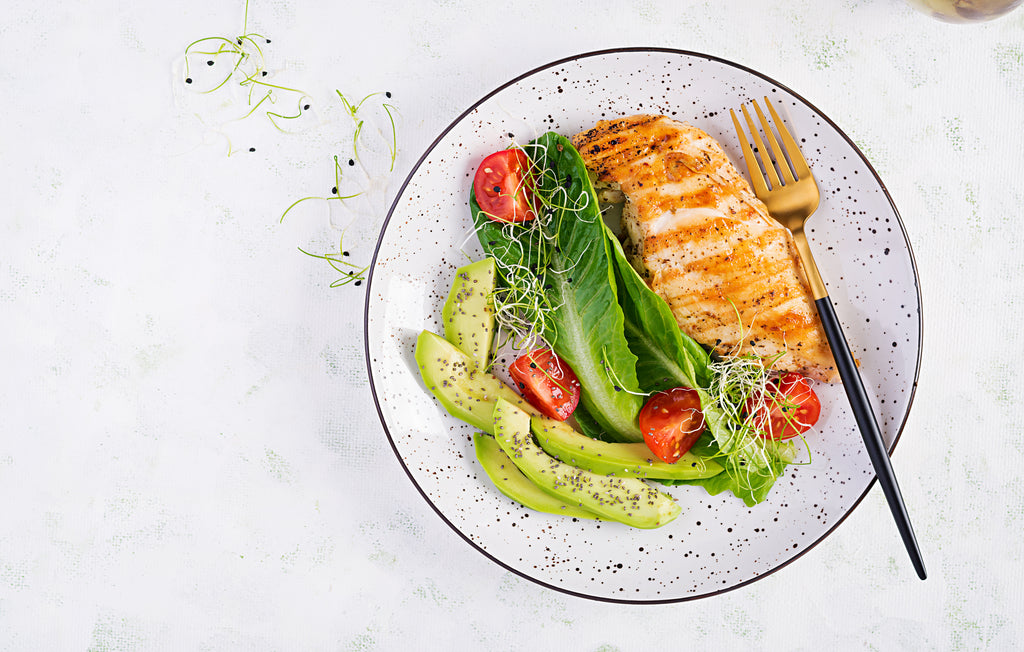
A sample daily diet can include eating eggs and bacon for breakfast, a chicken breast with a simple kale and avocado salad (with olive oil as dressing) for lunch, and a salmon fillet with butter for dinner with a small portion of steamed broccoli, asparagus, or cauliflower on the side.
Pros & Cons Of The Keto Diet
As mentioned, the keto diet may help you lose weight, while also reducing your total cholesterol levels, triglyceride, and glucose levels. It can also potentially improve skin health and reduce acne symptoms (more on this below).
But what are the potential downsides of a ketogenic diet?
The keto diet is very strict and, therefore, difficult to maintain which means it may only work for a specific set of people. And if you're impatient, it may take too long for any noticeable effects to take hold.
The strict dietary changes also have to be done very carefully, it's not as simple as just cutting out carbs. You have to achieve the right balance of healthy fats and proteins to achieve the right results. A side effect of any low-carb diet is that it may reduce your fiber intake, which can lead to a build-up of bad bacteria in the gut, causing digestive issues and constipation.
You also need to be careful with the high fat intake of the keto diet. Too much fat can be a bad thing, particularly if you are eating processed foods and too many saturated fats. If you want to do the keto diet right, you should make sure you eat healthy fats and lean proteins.
The keto diet also may be harmful to people with kidney problems since too much protein consumption is associated with renal damage, and nutrient deficiencies may occur because the diet severely limits what you can eat.
If you have any health issues--formerly or currently--make sure you consult a medical or wellness professional before you delve into the world of low-carb ketogenic diets, to make sure the diet won't negatively affect your condition.
How Does The Keto Diet Affect Your Skin?
On top of the weight loss benefits of a ketogenic diet, there is also an abundance of anecdotal evidence that people who commit to the keto diet find their skin eventually appears more youthful and vibrant, and their once thinning hair becomes shiny and strong. Some low-carb dieters even report a visible reduction in the appearance of scars and improvements in skin conditions like eczema.
Although there are no studies directly linking the keto diet with skin health, medical professionals seem to think the keto diet can be anti-aging. Among the aging process's many culprits include elevated levels of glucose, insulin, and triglycerides. Since a ketogenic diet can reduce these glucose, triglyceride, and insulin levels, this low-carb diet may also positively impact your skin health.
Let's take a closer look at the positive and negative effects that the keto diet can have on your skin:
1. Reduces Inflammation
When we eat carbohydrates, particularly those high in sugar, our glucose levels rise and our body produces more insulin to convert it to energy. One of the downsides of this process is that insulin causes inflammation. So when you reduce your intake of simple carbohydrates with a low-carb keto diet, you are reducing your insulin production and minimizing the risk of inflammation throughout the body.
Raised insulin levels in the body lead to inflammation and redness on your skin, which can also lead to other skin conditions like eczema, rosacea, and psoriasis.
Your skin can benefit from the positive anti-inflammatory effects of a low-carb diet, with reduced redness and an overall healthier appearance. Consuming less sugar and fewer carbs will also help your skin appear more youthful and radiant - it's a win-win!
2. Decreases Oxidative Stress
The ketones produced during ketosis can suppress the development of free radicals (reactive oxygen species) in the body. [2]
Free radicals are dangerous molecules that cause oxidative stress, which negatively impacts your body's ability to stave off toxins. This can lead to a build-up of toxins throughout the body that cause breakouts, inflammation, and other skin blemishes, alongside other more serious health problems. This is why many experts may recommend you try a detox for clear skin, which will include foods that are high in antioxidants to help reduce oxidative stress and improve your overall health.
The keto diet can help do just that. When you stop eating carbs and enter a state of ketosis, your body runs on ketones and your liver produces more glutathione, which is a very powerful antioxidant. The glutathione boost provided by a keto diet can help fight free radicals, protect your skin's collagen and elastin supplies, reduce pigmentation and age spots, and even stave off psoriasis. [3]
Glutathione is sometimes referred to as the "mother of all antioxidants" thanks to its numerous benefits for the skin and for your overall wellbeing. That's why we have used it in our skin-loving supplement Taut Bright, alongside 6 other powerful antioxidants including vitamin C and grape seed extract.

Taut Bright is designed to target the skin imperfections caused by aging, stress, and external toxins. Our formula uses glutathione and other potent antioxidants to help minimize cellular damage caused by free radicals, inhibit melanin production, reduce dark spots and pigmentation, and naturally lighten skin.
Taut Bright can help you boost your antioxidant intake and achieve naturally fairer, flawless skin!
3. Reduces Acne Breakouts
If you have ever suffered from acne, whether it plagued your teenage years or it cropped up a little more recently, you will know the knock it can have on your confidence. With breakouts, greasy-looking skin, and blocked pores thanks to a constant build-up of oil and sebum, acne is one of the more irritating and embarrassing skin conditions to deal with.
That's why many people love keto diets, as they can help improve acne-related symptoms.
As we now know, eating fewer carbs leads to your body producing less insulin. Insulin is associated with acne, inflammation, and breakouts, so reducing your insulin levels with a low-carb diet can have a positive impact on your acne symptoms. Eating fewer carbs and more fats can relieve acne by reducing the build-up of oil, sebum, and bacteria, unclogging pores, reducing inflammation and redness, and reducing the frequency of acne breakouts and blemishes.
Of course, the results are never guaranteed and not everyone on a keto diet will feel these acne-relieving effects. Some people find that eating too much fat from dairy products, in particular, can cause acne breakouts on their skin, so you will have to find what foods work best for you within the keto diet. You might find that fats found in fish, meat, and eggs may be better at reducing acne than the fats found in cream, butter, and cheese.

4. Aids Collagen Production
Collagen is the protein that composes our skin's structure, keeping skin firm, flexible, and wrinkle-free. As we age, our bodies produce less collagen each year, which results in the natural skin aging process. Thankfully, there are ways to help keep our skin's collagen content high, and one way is to incorporate foods high in collagen, antioxidants, and healthy fats into our diets.
Many of the foods related to keto diets can aid your body's collagen production process. This is down to the omega 3 fatty acids, healthy fats, and collagen content of foods like fish, chicken, eggs, and avocados, all of which feature heavily in ketogenic diets.
Hen eggs are a particularly great source of collagen that is beneficial for your skin, hair, and nails, as are fatty fish, leafy greens, citrus fruits, and berries. [4]
Research has also shown a strong link between avocado and type II collagen, which is particularly good for your joints and muscles. [5]
So if you follow the keto diet and eat a wide variety of these collagen-rich foods and healthy fats, your skin could feel some skin-plumping anti-aging benefits such as thicker, more flexible skin, fewer fine lines and wrinkles, and increased radiance.
5. Potentially Reduces Skin Cancer Risk
Some research has linked the growth of cancer cells to the process of glycolysis, in which our body converts glucose into energy.
Because the keto diet forces your body into a state of ketosis, in which the liver converts fat cells into energy, the process of glycolysis is side-stepped and your body burns fats instead of glucose for energy. This suppression of glycolysis suggests that low-carb ketogenic diets can help prevent tumor growth. [6]
For your skin, cutting carbs and eating only fats and protein could mean a reduction in the risk of cancerous growth. The keto diet may also be used alongside chemotherapy and radiotherapy treatment for existing cancer patients. [7]
As we mentioned earlier, the keto diet also reduces oxidative stress throughout the body, which can also reduce the risk of developing cancer cells.
One of the best ways to protect your skin and body against carcinogens is to include a variety of healthy foods and antioxidants in your diet.
You can detox your skin and body with Masquelier French Pine Bark OPC, our skin-loving supplement that offers anti-aging, antibacterial, antiviral, anti-inflammatory, anti-carcinogenic, and anti-allergic benefits.
References
- Paoli, A., et al. (2013). Beyond weight loss: a review of the therapeutic uses of very-low-carbohydrate (ketogenic) diets. *European Journal of Clinical Nutrition*, 67(8), 789-796.
- Volek, J. S., & Phinney, S. D. (2012). The Art and Science of Low Carbohydrate Living. *Beyond Obesity LLC*.
- Sinha, R., et al. (2018). The Role of Glutathione in Aging and Disease. *Molecular and Cellular Biochemistry*, 441(1-2), 1-11.
- DePhillipo, N. N., et al. (2018). Efficacy of Vitamin C Supplementation on Collagen Synthesis and Oxidative Stress After Musculoskeletal Injuries: A Systematic Review. *Orthopaedic Journal of Sports Medicine*, 6(10).
- Maroon, J. C., et al. (2015). The role of dietary sources of omega-3 fatty acids in the prevention of joint-related diseases: a narrative review. *Future Science OA*, 1(3).
- Allen, B. G., et al. (2014). Ketogenic diets as an adjuvant cancer therapy: History and potential mechanism. *Redox Biology*, 2, 963-970.
- Schwartz, L., et al. (2017). Out-of-field cell-kill in patients treated with radiotherapy is mediated by non-targeted effects. *International Journal of Radiation Biology*, 93(12), 1313-1320.
About the RenewSkin Co Editorial Team
The RenewSkin Co Editorial Team is a group of dedicated skincare professionals, estheticians, and researchers committed to providing accurate, evidence-based information to help you achieve your best skin. We draw on the latest scientific studies and clinical data to create content that is both informative and easy to understand. Our goal is to empower you with the knowledge you need to make informed decisions about your skincare and wellness journey.
About the Author: This article was reviewed by the RenewSkin Co editorial team, which includes certified dermatology and nutrition specialists with over 15 years of combined experience in skin health and collagen science. Our content is grounded in peer-reviewed research and follows E-E-A-T guidelines.