Herbs for Skin: The Best Natural Herbs for Anti-Aging & Glow
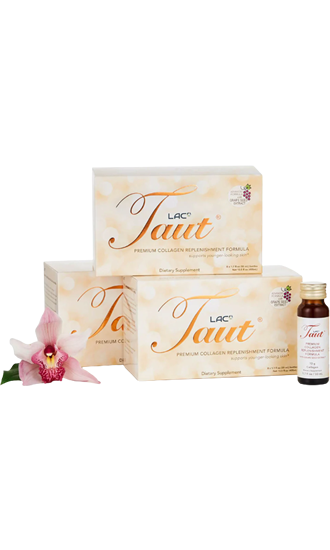
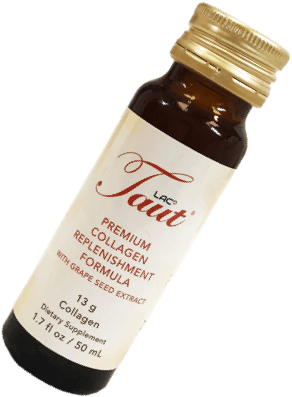
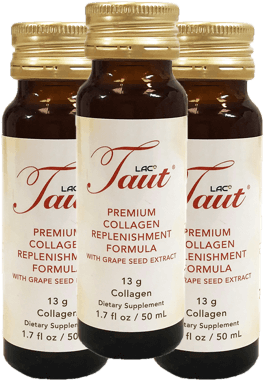
Quick Answer: Certain herbs and spices like turmeric, cinnamon, and ginger offer significant anti-aging and skin-glowing benefits. They possess antioxidant and anti-inflammatory properties that help fight free radicals, boost collagen production, and improve overall skin health. Incorporating these natural ingredients into your diet and skincare routine can lead to a more youthful and radiant complexion. Try our Taut marine collagen for enhanced results.
Ready to experience the benefits for yourself? Shop our Liquid Collagen Drinks collection and find the right program for your skin goals.
It’s time to spice up your life this season — in the literal sense of the word!
There are so many different types of herbs and spices that we use daily to add rich flavor and depth to our food. However, did you know that many of these spices can offer extra health and skin benefits too? Some natural skincare ingredients can even boost collagen production and skin healing.
What’s more is that not only do these plants, herbs, and spices give you that lovely warm and toasty feeling that adds a little something special to those cold winter months, but they also come with a host of health and anti-aging benefits.
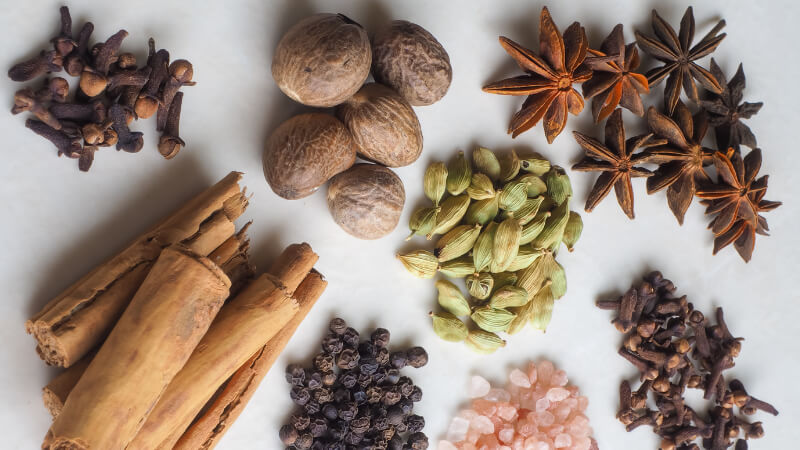
Spices like cinnamon and nutmeg play a huge role during the holidays and festive months (merely just sniffing the aroma from candles or the local bakeshop can make you get into the holiday spirit). But really, you can’t quite make something delicious like cookies, cakes, or warm beverages without adding a dash of these tantalizing herbs and spices.
Many of these amazing herbs and spices contain powerful antioxidant, anti-inflammatory, and anti-aging properties, which help cleanse and detox our body and promote youthful skin.
To help you out, we’ve come up with a list of the top spices and herbs for skin and overall well-being from around the world that you should use this season to support your health and beauty.
Let’s uncover the hidden anti-aging benefits of herbs and spices, shall we?
The Best Spices For Your Health
Cinnamon
We all know cinnamon. It is used and found in a wide variety of foods around the world, from curry to churros. There’s no denying that cinnamon is simply delicious and can be used in a multitude of ways — and not just in your cookies and tea.
But, cinnamon has proven health benefits, too. In fact, it's medicinal effects have been touted for centuries. There are two types of cinnamon:
- Cassia, also known as “regular” cinnamon, is the most frequently used type. It originates in Southern China and is most commonly known as the ‘Chinese Cinnamon.’
- Ceylon, also known as “true” cinnamon, has a lighter and less bitter taste. It is native to Sri Lanka and the southern parts of India.

Let’s look at some of the great health benefits of these different types of cinnamon:
Skin and Body Benefits of Cinnamon
1. Antioxidant Power
Cinnamon contains a healthy skin compound called cinnamaldehyde which researchers believe accounts for many of the spice’s health benefits. It is also high in polyphenol antioxidants. Antioxidants fight off free radicals that can damage skin cells. You may have heard of free radicals in relation to skincare because it is precisely these unstable atoms that cause a lot of skin problems related to aging.
Cinnamon can potentially help fight the free radicals (in all skin types) which cause collagen and elastin degradation, leading to wrinkles and skin sagging. But, the benefits go far beyond the skin - the antioxidants in cinnamon can prevent free radical damage throughout the body, allowing for greater health and longevity.
In a study that compared the antioxidant activity of 26 spices, cinnamon wound up as the clear winner, even outranking "superfoods" like garlic and oregano. [1]
2. Anti-Inflammatory
Scientists believe inflammation is the root cause of many diseases and skin problems. Of course, inflammation in the body is at times necessary since it helps fight off injury and infection, however, chronic inflammation is where the real problem lies. Chronic inflammation can eventually lead to diseases like cancer and arthritis.
Luckily, research has shown that cinnamon can potentially help treat certain inflammatory conditions linked to aging. [2]
3. Lowering Blood Sugar Levels
There are a few herbs and spices that can help lower blood sugar and cinnamon is one of them. Cinnamon can decrease the amount of glucose that enters the bloodstream after you eat. It can also affect cells by mimicking insulin (though, naturally, it doesn’t work as fast as insulin). An effective dose is approximately half a teaspoon to two teaspoons a day.
4. Reducing the Risk of Heart Disease
According to Healthline.com, cinnamon has been linked to a reduced risk of heart disease. This is supported by a recent review study which demonstrated that taking a daily dose of 120mg of cinnamon can help increase good cholesterol, reduce triglycerides, and increase blood flow. When combined, all these factors help to improve vascular health and reduce the risk of heart disease. [3]
How To Use Cinnamon
If you’re not quite interested in swallowing two teaspoons of cinnamon a day, you can add it into certain recipes to make delicious pastries and other goods and consume it that way. You can even add it to your skincare products to fight acne.
Sprinkle It: An easy way to add cinnamon to your daily diet and promote healthy skin and hair is to sprinkle about a teaspoon or so on to your oatmeal, tea, and coffee.
Cookies: Who can resist a cinnamon cookie, especially in winter? We think skin benefits is a valid reason to bake a batch of snickerdoodles.
Hot Cocoa: Add a cinnamon stick to your hot chocolate to use as a stirrer as a form of skin and hair care. What could be better for a cozy winter feel?
Buns, Hun: Who knew cinnamon buns could be a form of skincare? The OG, cinnamon buns are truly a classic, and, let’s face it, simply irresistible. Of course, if you’re watching your waistline, you might want to eat these in moderation.
Face and Body Mask: Move aside, benzoyl peroxide acne treatments and skincare products. Mix a pinch of cinnamon into your favorite skincare masks to improve acne and breakouts. A little bit of this acne treatment can go a long way!
Side Effects of Having Too Much Cinnamon
Cinnamon has many health and skin benefits, but if you intend to take more cinnamon daily, it's important to pay attention to the two different types of cinnamon.
Cassia Cinnamon contains 1% coumarin (a toxic compound), which can be harmful if taking in a large dosage, vs Ceylon Cinnamon which only contains 0.004% of this compound.
According to Healthline, exceeding the upper limit for coumarin is easily possible if you are consuming a lot of Cassia cinnamon. In many cases, just 1 to 2 teaspoons could bring someone over their daily limit. [3]
If you intend to take a cinnamon supplement or consume more than 1 to 2 teaspoons of cinnamon powder a day, it is best to select Ceylon cinnamon so you can enjoy its anti-aging benefits without the risk.
Turmeric
Turmeric, like cinnamon, also boasts medicinal benefits for the skin and body. It’s one of the spices that makes up curry powder and what gives it its vivid color.
Turmeric root contains curcumin, a potent antioxidant and anti-inflammatory. And, while these properties have many health benefits for your body, turmeric also promotes beautiful skin and a healthier complexion. In particular, turmeric is known for lightening age spots by inhibiting melanin production in the skin and promoting hair growth.

Skin and Body Benefits of Turmeric
1. Fighting Inflammation in the Body & Skin
As with cinnamon, curcumin is a great anti-inflammatory substance. As previously mentioned, acute inflammation helps us fight off a variety of infections. Chronic inflammation, however, should not be allowed to thrive in the body. Curcumin can help alleviate chronic inflammation and thus prevent a number of diseases.
However, there have also been studies done on curcumin-free turmeric, with findings that it also has anti-inflammatory and anti-cancer properties. If you deal with irritated skin, inflamed skin, or a skin disorder that reddens the skin, throw some turmeric into your morning smoothie.
2. Fighting Oxidative Stress in the Skin
Oxidative stress is defined as an imbalance of free radicals and antioxidants in the body and skin. It is dangerous because it can ultimately lead to tissue damage and disease. It can also lead to less dangerous issues, like acne.
Various plants, herbs, and spices are well-known for their antioxidant capabilities, and curcumin is one of them. Curcumin in skincare products, food, and supplements can help neutralize free radicals and restore balance in the skin and body, potentially preventing skin disorders, diseases, and illnesses such as cancer.
3. Fighting Heart Disease
Curcumin has been shown to be effective in fighting heart disease and increasing blood flow. A study found that it can improve endothelial (the lining of blood vessels) function. Problems with endothelial function can lead to heart disease. Another study found that 4 grams of curcumin taken every day helped reduce the risk of a heart attack in people who were about to have coronary artery bypass surgery.
How To Use Turmeric
Unlike many herbs and spices, turmeric is remarkably versatile. You can add a teaspoon or two into quite a large variety of recipes to add flavor.
Soup It Up: Just a spoonful of turmeric can have benefits for women of all skin types. You can add up to two teaspoons of turmeric to pretty much any type of soup for an extra kick.
Smoothie Central: Smoothies are a great way to include more herbs and spices into your diet. For women with dry skin or other skin problems, adding a teaspoon or two of turmeric into a smoothie can be a good way to give a boost to their skin care regimen.
Turmeric can be a bit bitter and may take some getting used to (a small price to pay for its amazing benefits), so start out by adding a little before you add a lot.
Holiday Help: So many herbs and spices are used in classic holiday dishes, why not include turmeric? There are a variety of ways to add turmeric to any holiday dish. Spice up mac ‘n’ cheese by adding a teaspoon of turmeric to the cheese sauce.
Or, use it as a seasoning for holiday turkey – you can make a honey/turmeric glaze with four tablespoons of butter, one teaspoon of ground turmeric, two tablespoons of raw honey, one tablespoon of minced garlic, and one teaspoon of sea salt. Melt the butter first, then stir in the rest of the ingredients until they’re smooth. Brush the glaze all over the turkey once it reaches 165 degrees.
Ginger
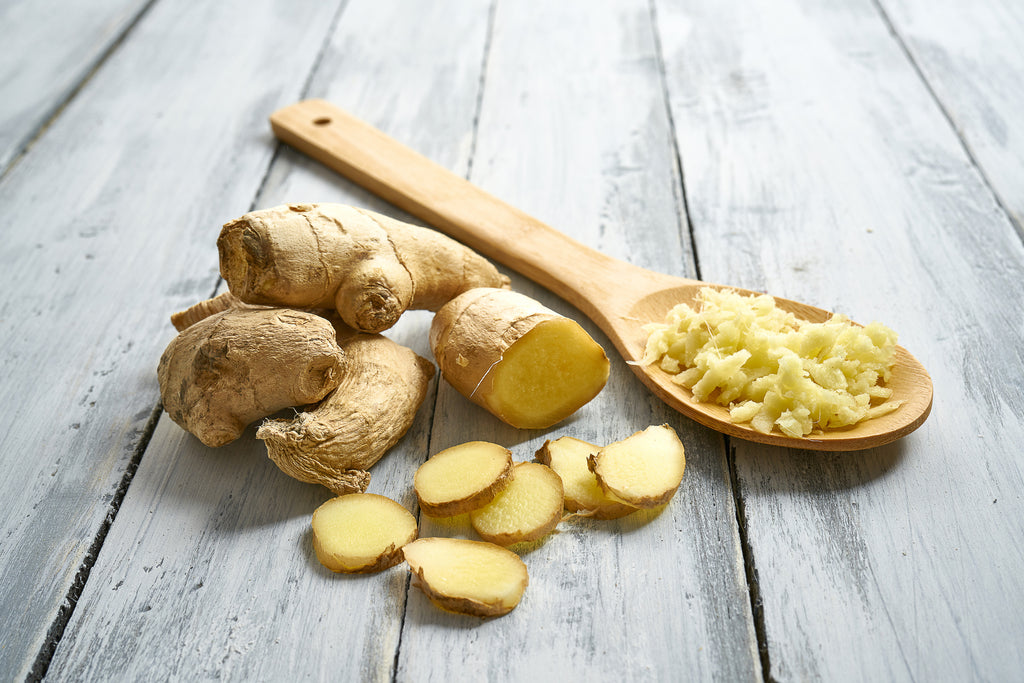
When we think of ginger, we think of ginger tea, ginger ale, and gingerbread. Ginger can be used in a great variety of ways. And it’s a good thing too because ginger is extremely healthy for the skin and body. In alternative medicine, ginger’s various properties have been used to alleviate nausea, assist with digestion and even help with the flu and colds. Ginger is high in gingerol, which is its main bioactive compound that gives ginger its healing properties.
Gingerol is what gives ginger its anti-inflammatory and antioxidant powers. As previously discussed, antioxidants are crucial in the fight against free radicals that damage the skin and cause aging. Any food substance with anti-inflammatory properties can potentially protect against disease.
Skin and Body Benefits of Ginger
1. Improves Wound Healing on the Skin
We always love plants, like herbs and spices, that have positive effects on the collagen in our skin - and ginger is no exception. When it comes to the skin, ginger’s properties can potentially improve wound healing in all skin types by stimulating collagen production.
A study involving ginger and curcumin extracts found that together, these spice extracts improved skin “structure and function.”
The fact that ginger helps with collagen production in the skin is also very promising, as our skin’s natural collagen begins to degrade as we age. Collagen is absolutely essential in keeping skin looking youthful, plump, fresh, and bouncy (meaning it springs right back when you pull on it and there’s no sagging).
2. Improves Brain Function
Plants and herbs have all kinds of amazing abilities when it comes to improving our skin and our bodies. Along with its ability to heal skin conditions, ginger may also improve brain function. In one study, ginger was shown to “improve cognitive function” in middle-aged women by improving reaction time and memory. Cognitive decline is generally believed to be a result of both oxidative stress and inflammation. With its antioxidant and anti-inflammatory abilities, ginger is believed to be able to mitigate this due to certain compounds that reduce inflammation in the brain. [4]
3. Improves Infection-Fighting Ability on the Skin
It’s no wonder herbs and spices like ginger have been used for centuries to help fight the flu and colds. Ginger has proven bacteria-fighting properties, making it great for killing various infections, including skin infections that may cause inflamed skin. It is also especially good at fighting off periodontal bacteria that can cause gingivitis.
How To Use Ginger
Ginger is also a rather versatile ingredient. Although it can be a bit spicy, it’s great for brightening up any dish.
Tea Time: Ginger tea is an easy and delicious way to add the spice to your daily repertoire. You can either buy ginger herb tea or grind some ginger and sprinkle it into your tea. Get the kettle boiling to start healing your skin conditions!
Salad Style: Add a tasty ginger dressing to a traditional lettuce salad. Whisk together a quarter cup of rice vinegar, two tablespoons soy sauce, one tablespoon grated ginger root, one teaspoon of raw honey, one teaspoon toasted sesame oil, and add some salt and pepper to taste.
Ginger Sauce: If you like spicy food, chop and mince ginger with garlic into a paste, add fresh lemon juice, and salt. You can use this sauce to marinate your meat, or use it as a dipping sauce.
Gingerbread Fun: Perhaps the easiest way to incorporate ginger into the holidays is to make some gingerbread cookies, squares, loaf, or cake. It will add plenty of holiday cheer to any occasion. And it’s a favorite for children as well!
Cloves
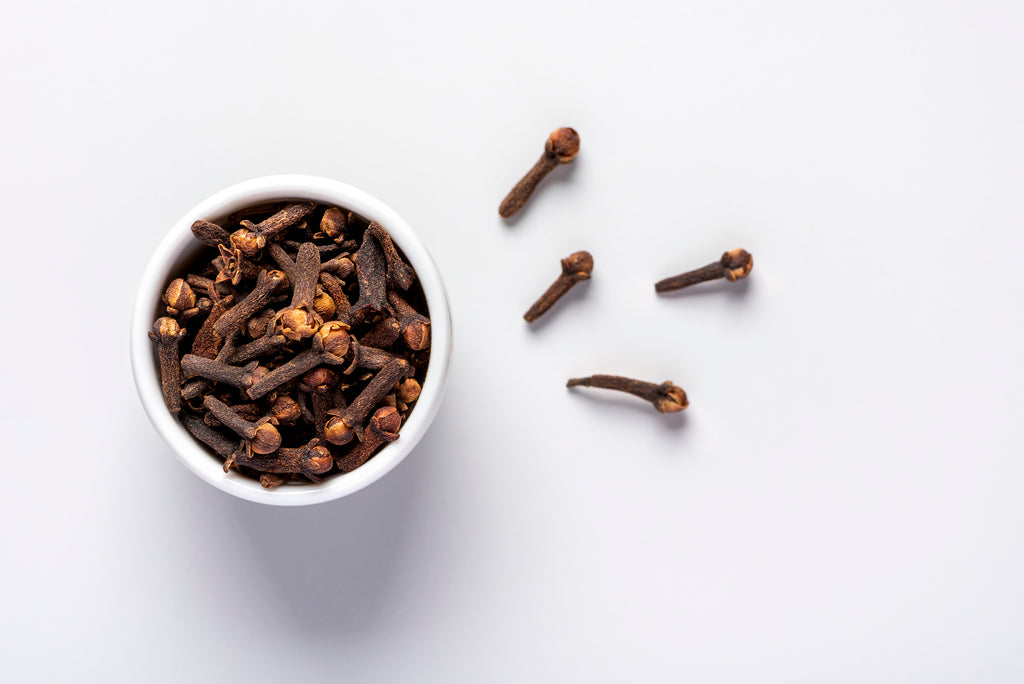
Cloves come from the evergreen clove tree. They are the flowering buds of the tree. Whether whole or ground, cloves can be used in both food and drink to add extra oomph. Their medicinal properties include antibacterial, antimicrobial, anti-inflammatory, and anticancer effects. Cloves contain eugenol, an antioxidant compound that can help neutralize free radicals and fight against oxidative stress. Cloves are high in manganese, vitamin K and vitamin C.
Skin and Body Benefits of Cloves
1. A Potent Antioxidant For the Skin
Like many of the aforementioned spices, cloves are also powerful antioxidants for the skin when used in skincare, but also when consumed. In fact, in one study, it was found that cloves could stop oxidative damage as a result of free radicals five times better than vitamin E. [5]
Vitamin E is a very powerful antioxidant found in a very large variety of skin care products. As an antioxidant, cloves can potentially:
- Heal dry skin
- Improve irritated skin
- Minimize acne
- Curb the aging process of the skin and other organs
Most importantly, it's been shown to be more effective than a variety of other herbs and spices.
2. A Potent Antibacterial For the Skin
Clove oil has been used as a skin antiseptic because of its ability to kill off bacteria like E. coli. Research has found that we can use clove oil as an effective antiseptic and antibacterial product. [6] Anecdotal evidence suggests that clove oil can be used to treat acne due to its antibacterial effect, although more research is needed.
3. May Regulate Blood Sugar & Improve Liver Health
Although it's mostly animal studies that have been performed to evaluate the ability of cloves to regulate blood sugar and improve liver health, they are promising. A study on cloves and blood sugar found that cloves were able to promote insulin production. Obviously, this is crucial in helping to regulate blood sugar.
A study on the potential of cloves to promote liver health found that a mixture of clove oil and eugenol was able to improve overall liver function and reduce inflammation. The fact that cloves are powerful antioxidants also may have helped in this instance. [7]
How To Use Cloves
Cloves can be used in a variety of different ways, some of which include:
A Flavoring Spice: Cloves can be used to add flavor to foods like stew and bread, beverages like warm cider and chai, and sweets, like pies. For example, you can stick cloves into a whole onion and put it in a soup to add a delicious flavor.
Stick It: One popular method of using cloves is to stick them into an orange. This creates a wonderful fragrance that can freshen a room and even repel insects. The essential oils from these herbs can enhance your environment.
Holiday Sweetness: This recipe is so fun and unusual, sure to impress guests at your holiday dinner, and it can also help relieve itching from insect bites. Simply simmer cloves, cinnamon, red wine, and fresh pears for about 20 minutes for a melt-in-your-mouth, skin-enhancing treat.
Nutmeg
At last, we’ve come to nutmeg. Nutmeg is a very popular spice in baking and cooking, but it’s also helpful for health reasons. Nutmeg is the seed of Myristica fragrans, a dark-leafed evergreen tree. Together with mace, its outer seed covering, it is used to make certain types of medicine. However, in high amounts, nutmeg can be toxic, so use caution. Usually, it would take between two to three teaspoons to cause problems, and traditional recipes tend to use much less.

Skin and Body Benefits of Nutmeg
1. Boosts Liver Health
While many herbs and spices can help heal our body on the inside, nutmeg contains properties that help support the liver. The liver is the organ that rids the body of toxins, and liver health is vital to a long and healthy life. There is now evidence that nutmeg can help improve liver health thanks to a compound called myrislignan. This compound protects the liver while nutmeg extract helps restore lipid levels to overall healthier levels.
2. Anti-Inflammatory
Nutmeg is also known for its anti-inflammatory powers, like so many of the other herbs, plants, and spices on this list. As an anti-inflammatory, it can help prevent the onset of skin diseases, which can affect women of all skin types, caused by chronic inflammation (the bad kind, as opposed to acute skin inflammation, which is oftentimes necessary).
How To Use Nutmeg
Eggnog, Obviously: This is a classic. Sprinkle a small amount of nutmeg on your holiday eggnog and enjoy that fragrant, divine aroma. You can mix some inside as well, of course! In fact, most store-bought eggnog will already have nutmeg in it. So, pour yourself a tall glass of this skin-enhancing beverage.
Old-Fashioned Apple Pie: Instead of using cinnamon, substitute nutmeg in your apple pie recipe for a little taste of something different. Just one slice and you’re on your way to solving your skin problems.
Nice Rice: Women of all skin types can benefit from a little more skincare on their dinner plates (in the form of herbs and spices, of course). Add a teeny bit (about a quarter teaspoon) of nutmeg to a dish of brown rice for that rich, nutty flavor that can’t be beaten.
Top 9 Natural Herbs for Skin Care
Herbs for skin are increasingly being used for their natural anti-aging and skin-enhancing benefits. Now, this doesn’t mean you should start rubbing the herbs in your garden all over your face (the neighbors might get worried). It does mean, however, that you should keep a lookout for these powerhouse ingredients when shopping for skincare and supplements if you want to improve your skin.
There are so many different types of plants and herbs in various parts of the world that can help improve things like acne, irritated skin, and other, more stubborn problems like eczema and psoriasis. We’ve made a list of the top 9 herbs with skin-enhancing benefits that you should include in your skin care routine.
1. Burdock Root
This root is well-known for its anti-inflammatory and antibacterial skin and body benefits. Although it’s often referred to as ‘burdock root,’ the roots, leaves, and seeds can all be used for their benefits for all skin types, especially dry skin.
It has been used as an herb for skin care for many years to improve certain skin irritations and skin conditions like eczema, psoriasis, and acne. This herb, when found in skincare, can help repair skin cells for a more even appearance and overall healthy skin. You can often find it featured in natural herb skin care products like toners, moisturizers, and body oils.
2. Witch Hazel
Most commonly found in skin care products like toners and ointments, witch hazel has serious anti-inflammatory and astringent properties, putting it on our list of best herbs for skin.
When applied to the skin, this herb can help treat eczema and other skin disorders. For example, if you’re a woman who struggles with oily skin or acne prone skin, applying a toner with this herb may help.
Additionally, the astringent properties can make you look younger. How? As you get older and the water content and collagen levels decrease in your skin, your pores may start to appear larger. What the astringent properties of the tannins in witch hazel skin care products do is tighten the skin, which makes the pores appear smaller.
In fact, lavender oil and witch hazel skincare products are similar in that they are both astringents that can not only minimize pores but also reduce inflammation and improve oily skin and reduce the occurrence of acne.
3. Chamomile
Chamomile (Matricaria recutita) is a common tea ingredient, but did you know it’s one of the best herbs for skin irritation? Not only can the chamomile be incredibly calming for the body (which is why the dried flowers are often found in bedtime teas), but it is able to soothe the skin once it becomes inflamed, including acne-prone, oily skin, and when treating skin problems like sunburns.
It’s also an amazing skin care ingredient because it contains properties that are able to fade dark age spots on all skin types, promoting healthier-looking skin.
4. Basil
Basil is another one of the best herbs for skin care because it contains strong anti-inflammatory and antimicrobial properties. Each one of the herbs’ leaves contains a powerful oil that can transform oily skin and acne prone skin, even when eaten with some of your favorite foods. Can anyone say pizza party?
And, when applied topically, basil is one of those herbs that helps dry skin during those cold winter months when applied as a moisturizer. Not only that, but skin care products containing basil can help remove impurities like built-up pollution, grime, dirt, and excess oil.
Anti-Aging Properties
What we here at Taut especially love about basil is its ability to reduce wrinkles. A little bit of concentrated basil oil in an anti-aging cream can go a long way to reverse the hands of time.
But, if you’re really trying to fight the appearance of stubborn wrinkles with herbs and plants, you’ll want to include Taut Intensive Recovery Face Serum into your daily skin care regimen. Each bottle is formulated with 7 powerful botanical herbal (for skin) extracts that have both antioxidant and anti-inflammatory properties. These can restore damaged skin and reinforce your skin barrier to promote skin radiance and firmness that other beauty products cannot deliver.

5. Calendula
Known by the Latin name Calendula Officinalis, this well-known oil comes from the flower of the calendula plant. You might recognize the calendula plant by its more common plant name, marigold.
This herb’s oil, extracted from the calendula flower, has many beneficial properties that have been used for everything from preventing muscle spasms to reducing fevers. But, the oil is also often used to help treat various skin irritations and issues when applied topically.
Calendula is an herb good for skin because it has active compounds and chemicals that have been scientifically proven to be antiviral, antibacterial, anti-inflammatory, and have other wound-healing properties. Additionally, calendula can be used to treat fungal infections on the skin. [8]
When it comes to enhancing the skin, beauty products containing this herb can be used to moisturize and heal dry skin. Additionally, Calendula’s properties can be used to improve acne scars and help heal skin damaged by sun exposure. Calendula skin care products may also balance sebum levels on acne prone, oily skin.
Calendula can be found in various beauty products like masks, toners, cleansers, and other anti-aging skincare products to:
- Improve hydration
- Protect the skin from free-radicals
- Calm irritated skin
- Help with other skin conditions, like eczema and psoriasis
6. Lemon Balm
Lemon balm is an herb skin loves. This herb is a member of the mint family and has been used in traditional medicine for centuries. It’s a natural antibiotic and antifungal that also has antioxidant properties to fight against free radicals in the skin.
It can also be used for its anti-inflammatory properties to help reduce reddened, irritated skin and treat certain skin conditions like acne, eczema, psoriasis, chickenpox, and more. It’s also a popular treatment for oral herpes (herpes labialis).
Lemon Balm also has ferulic acid and caffeic acid which can be helpful when applied to sunburned skin and sun damage. These anti-inflammatory and antioxidant compounds protect the skin from UV damage and promote healing.
7. Aloe Vera
Aloe vera is a succulent plant that stores water in its leaves. The clear gel from the leaves has been used for centuries to treat various skin conditions. It is well-known for its soothing and healing properties, making it an excellent herb for irritated skin, sunburns, and minor cuts.
Aloe vera contains vitamins, enzymes, minerals, and amino acids that are beneficial for skin health. It has anti-inflammatory and antimicrobial properties, and it can help moisturize the skin without leaving a greasy feel. It also promotes collagen production and can help reduce the appearance of scars.
8. Green Tea
Green tea is derived from the Camellia sinensis plant and is packed with antioxidants, particularly catechins, which help protect the skin from free radical damage. It also has anti-inflammatory properties that can help soothe irritated skin and reduce redness.
Topical application of green tea extracts can help improve skin elasticity, reduce the signs of aging, and protect against UV radiation. Drinking green tea can also contribute to overall skin health due to its systemic antioxidant benefits.
9. Rosemary
Rosemary (Rosmarinus officinalis) is a fragrant herb known for its culinary uses and medicinal properties. It is rich in antioxidants, such as rosmarinic acid and carnosic acid, which help protect the skin from oxidative stress and premature aging.
Rosemary also has anti-inflammatory and antimicrobial properties, making it beneficial for treating acne and other skin irritations. It can improve circulation, which contributes to a healthy, glowing complexion. Rosemary extract is often found in skincare products aimed at improving skin tone and texture.
Conclusion
Incorporating herbs and spices into your diet and skincare routine can provide a wealth of benefits for your skin and overall health. From the anti-inflammatory power of turmeric to the collagen-boosting effects of ginger, nature offers powerful solutions for achieving a radiant and youthful complexion. Always remember to use these potent ingredients responsibly and consult with a healthcare professional if you have any concerns.
References
- Shan, B., et al. (2005). Antioxidant capacity of 26 spice extracts and characterization of their phenolic constituents. Journal of Agricultural and Food Chemistry, 53(20), 7749-7759.
- Tung, Y. T., et al. (2008). Anti-inflammatory activities of the essential oils of Cinnamomum osmophloeum. Bioresource Technology, 99(11), 5064-5070.
- Ranasinghe, P., et al. (2013). Effects of Cinnamomum zeylanicum (Ceylon cinnamon) on blood glucose and lipids in a cohort of patients with type 2 diabetes. Journal of the American College of Nutrition, 32(5), 295-302.
- Saenghong, N., et al. (2012). Zingiber officinale improves cognitive function of the middle-aged healthy women. Evidence-Based Complementary and Alternative Medicine, 2012, 383062.
- Gülçin, I., et al. (2012). Metal chelating and antioxidant activity of clove oil. Records of Natural Products, 6(1), 33.
- Nuñez, L., & D'Aquino, M. (2012). Microbicide activity of clove essential oil (Eugenia caryophyllata). Brazilian Journal of Microbiology, 43(4), 1255–1260.
- Al-Okbi, S. Y., et al. (2014). Protective effect of clove oil and eugenol microemulsions on fatty liver and dyslipidemia. European Journal of Lipid Science and Technology, 116(11), 1512-1520.
- Arora, D., et al. (2013). A review on phytochemistry and ethnopharmacological aspects of genus Calendula. Pharmacognosy Reviews, 7(14), 179–187.
About the RenewSkin Co Editorial Team
The RenewSkin Co Editorial Team is a collective of seasoned skincare experts, estheticians, and nutritionists. With a deep understanding of the science behind skin health, our team is dedicated to providing accurate, evidence-based information to help you achieve your best skin. We believe in a holistic approach to beauty, combining topical treatments with the power of natural ingredients and healthy lifestyle choices. Discover more about our philosophy on our about us page.