Collagen for Perimenopause: Why Your 40s Is the Right Time to Start

Quick Answer: Perimenopause is one of the best times to start consistent collagen support, and I want to tell you why. As estrogen declines through your 40s, your skin loses hydration and firmness faster than before, which can leave it feeling dry, dull, and less resilient. A simple daily collagen ritual, alongside good hydration and sun protection, can help keep your skin looking plumper and more comfortable through the whole transition.
Your 40s bring a lot of change, and your skin is very much on the guest list. If your skin suddenly feels drier, thinner, or less bouncy than it used to, I promise you it's not your imagination. Perimenopause is when estrogen begins to dip, and estrogen plays a direct role in keeping your skin hydrated and firm.
Here's the reassuring part I want you to sit with: this is actually the perfect time to act. Supporting your skin now, mid-transition, is far easier than trying to reverse deeper changes later. You're not late. You're right on time.
Why Perimenopause Changes Your Skin
These changes are completely normal, but I've found that knowing why they happen makes them feel a whole lot less random. Let me walk you through it:
- Lower estrogen means less natural hydration and slower cell turnover, so skin can start to look dry and dull.
- Collagen declines faster. Estrogen helps maintain your collagen, so as it drops, your skin loses firmness more quickly.
- Thinner, drier skin is more prone to fine lines and a crepey texture.
In short: it's not you, and it's not your products. It's biology, and biology can be supported.
How to Support Your Skin Through the Transition
You don't need a full overhaul, and I don't want you to feel like you do. A few steady habits will carry you through:
1. A Daily Collagen Ritual (Support from the Inside Out)
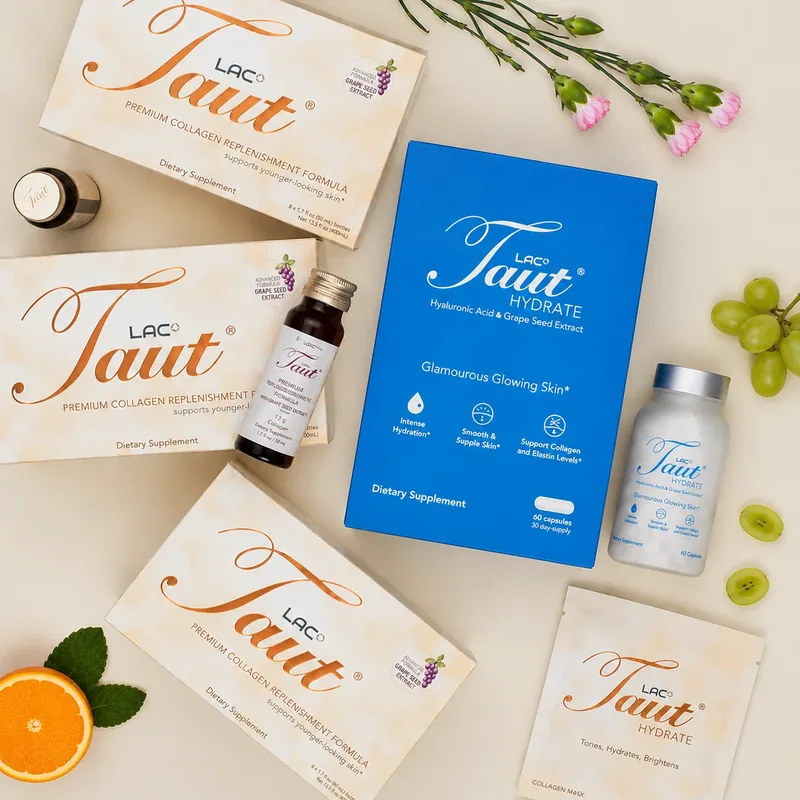
The outcome you want is plumper, more comfortable, more resilient skin, and that starts with consistent support from within. Our 24-Day Skin Transformation Challenge makes it simple: one easy daily ritual across three phases (Refresh, Renew, Restore) designed to help rebuild the hydration and firmness your skin is starting to miss. It's powered by premium marine collagen and hyaluronic acid, two ingredients your skin leans on for moisture and structure. Many women tell us their skin feels more hydrated and looks more radiant after they stay consistent, though results vary from person to person.
2. Hydration, Inside and Out
Drink water consistently, and switch to a richer moisturizer as your skin gets drier. A hyaluronic acid serum can add a welcome boost of surface moisture too. It's the inside-and-out combo that tends to feel best during this stretch.
3. Daily Sun Protection
SPF matters even more now, and I can't say this enough. Sun damage accelerates the collagen loss that's already speeding up during perimenopause, so protecting your skin is one of the kindest things you can do for it right now.
Frequently Asked Questions
Can collagen help with menopause-related dry skin?
Many women find that collagen support alongside extra hydration helps their skin feel more comfortable and look plumper, though results vary. It works best combined with a good moisturizer and plenty of water.
Is it too late to start collagen in my 40s?
Not at all, and this is genuinely the sweet spot. Your 40s is an ideal time to start, because supporting your skin during perimenopause helps it hold onto hydration and firmness before deeper changes set in.
How long before I notice a difference?
Most people who stay consistent tell us they notice more hydrated, comfortable skin within a few weeks, with firmer-looking skin developing over a few months. Give it time to build.
Ready to Meet Your 40s with Glowing Skin?
Perimenopause is a season of change, but it's also a chance to give your skin the support it needs before deeper changes settle in. Stay hydrated, protect your skin from the sun, and build a simple daily ritual, and you can move through your 40s with skin that looks and feels its best. If dryness and that lost plumpness are what you notice most, our Ultimate Transformation program was made for exactly that. Ready to feel comfortable in your own skin again?
References
- Proksch, E., Segger, D., Degwert, J., Schunck, M., Zague, V., & Oesser, S. (2014). Oral supplementation of specific collagen peptides has beneficial effects on human skin physiology: a double-blind, placebo-controlled study. Skin Pharmacology and Physiology, 27(1), 47-55. https://pubmed.ncbi.nlm.nih.gov/23949208/
- Ganceviciene, R., Liakou, A. I., Theodoridis, A., Makrantonaki, E., & Zouboulis, C. C. (2012). Skin anti-aging strategies. Dermato-endocrinology, 4(3), 308-319. https://pubmed.ncbi.nlm.nih.gov/23467476/
You Might Also Like
Does Collagen Help Acne Scars Heal?
Quick Answer: Collagen can support your skin's natural repair process, which may help soften the look of some acne scars over time. It works best for texture and firmness, while deeper or pitted scars often need professional treatment.
Collagen and Hyaluronic Acid: Should You Take Both?
Quick Answer: Yes, collagen and hyaluronic acid work well together and are often taken side by side. Collagen supports your skin's structure and firmness, while hyaluronic acid draws in moisture for a plumper, more hydrated look.

Is Your Tan Turning to Leather? How to Reverse Leathery Skin This Summer
Hey there, beautiful! Remember those carefree days of soaking up the sun, enjoying outdoor adventures, or just finding a quiet moment with an iced coffee? We all cherish that sun-kissed glow, but sometimes, summer fun leaves us with an unwelcome souvenir: leathery skin . It’s that moment you catch a