Does Collagen Help Acne Scars Heal?
Quick Answer: Yes, collagen can help, and I want to be straight with you about how far it goes. It supports your skin's own repair process, which may soften the look of some scars and smooth out overall texture over time. But it's not a magic eraser for deep, pitted scars. Those usually need a professional treatment like microneedling or laser.
Acne clears up, and then it leaves a little parting gift behind. Scars and uneven texture from old breakouts are stubborn. If you've spent years trying to fade them, I already know the answer to the question you're probably asking: no, they don't read the memo about leaving quietly.
Here's the reassuring part, and I mean this. Your skin is genuinely good at repairing itself. You just have to give it the right help from the inside. So let me walk you through what collagen can do for acne scars, what it can't do, and where to point your energy.
What Acne Scars Actually Are
Let me break this down, because not all acne scars are the same, and knowing which kind you're dealing with changes everything about how you treat them. They come in two main families:
- Atrophic (pitted) scars are the ice pick and rolling kind. These happen when your skin loses collagen during the breakout, and the skin actually dips inward.
- Hyperpigmentation isn't really a scar at all. It's a dark mark left behind after the inflammation, and the good news is it often fades on its own with time and a little care.
Why does this matter? Because it decides what will actually work. Surface marks respond to brightening and sun protection. Pitted scars need your skin to rebuild its structure from below. Two different jobs, two different plans.
How Collagen Fits In
Here's the part I get asked about the most. Collagen is the exact protein your skin uses to rebuild itself and stay firm. So when you give your body more of it, your skin gets the raw material it needs to smooth out texture and hold onto its bounce. That's precisely what skin recovering from acne is craving.
But let me keep your expectations honest, the way I'd want someone to be honest with me. Collagen will help smooth and firm things up, but it won't fully flatten deep, pitted scars on its own. Those need a professional's hands.
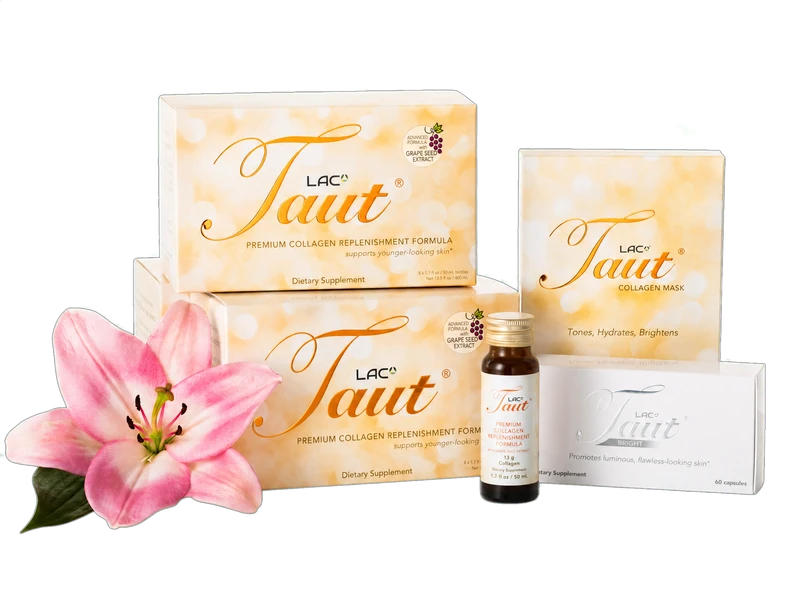
A Simple Daily Ritual for Smoother-Looking Skin
The outcome you're after is smoother, more even, healthier-looking skin. And that starts with supporting your skin from the inside, every single day, not once in a while. Our 24-Day Skin Transformation Challenge is built around exactly this. One easy daily ritual, three simple phases (Refresh, Renew, Restore), all designed to help your skin rebuild its structure and even out its tone over time. It's powered by premium marine collagen and hyaluronic acid, and I'll say it the way people actually say it to us: a lot of folks tell us their skin looks smoother and more even after they stick with it. Everyone's results are different, though, so be patient with yourself.
What to Pair It With
Collagen does its best work as part of a team. If you really want to move the needle, pair it with these:
- Daily SPF so those dark marks don't get darker in the sun.
- Microneedling or laser for deeper, pitted scars, always done by a professional.
- Brightening ingredients like vitamin C (and our Taut Bright) for the dark marks that like to linger.
Frequently Asked Questions
Can collagen remove acne scars?
I wish I could tell you it erases them, but here's the honest version. Collagen supports skin repair and can improve the look of texture and tone, but it won't fully erase deep, pitted scars. Those usually need professional treatment.
How long does collagen take to help skin texture?
Most people who stay consistent tell us they notice smoother, more even skin within a few weeks to a few months. It's a slow build, not an overnight switch, and results vary from person to person.
Does collagen help post-acne dark marks?
It can support your skin's overall health and even out tone, but dark marks respond best to sun protection and brightening ingredients like vitamin C. Think of collagen as the foundation and those as the finishing touches.
Ready for Smoother, More Even Skin?
Collagen isn't a magic eraser for deep scars, and I'll never pretend it is. But it's a meaningful part of the picture, the kind of support your skin needs to do its job. Pair it with sun protection and, where needed, a professional treatment, and you're genuinely moving toward smoother, more even, more confident skin. If tone and clarity are what you're chasing, our Ms. Magnifique program was designed for exactly that: uneven tone, dullness, and that post-acne leftover. Ready to see what a little consistent support can do?
References
- Proksch, E., Segger, D., Degwert, J., Schunck, M., Zague, V., & Oesser, S. (2014). Oral supplementation of specific collagen peptides has beneficial effects on human skin physiology: a double-blind, placebo-controlled study. Skin Pharmacology and Physiology, 27(1), 47-55. https://pubmed.ncbi.nlm.nih.gov/23949208/
- Ganceviciene, R., Liakou, A. I., Theodoridis, A., Makrantonaki, E., & Zouboulis, C. C. (2012). Skin anti-aging strategies. Dermato-endocrinology, 4(3), 308-319. https://pubmed.ncbi.nlm.nih.gov/23467476/
You Might Also Like

What Is Hyperpigmentation: What’s the Meaning & What Causes It?
Whether it's sunspots, scars, or patchy freckles, we know how those dark patches of skin pigmentation can really get in the way of your skincare goals. Hyperpigmentation can appear on your skin in many forms, and although it's a generally harmless blemish, it can knock your confidence and even add y

Does Collagen Help With Acne & What Are These Supplements Good for?
Quick Answer: Collagen supplements are not a direct acne treatment, but they can support skin healing and reduce post-acne scarring by providing the amino acids needed for tissue repair. Some research suggests that collagen peptides may help reduce inflammation -- a key driver of acne. For active br

How to Get Rid of Age Spots: Spot Removal Treatment On Aging Face
Wrinkles are typically the sign of aging that bothers women most, but age spots come in at a close second. Age spots, dark spots , and brown spots, technically known as hyperpigmentation, are brown, gray, or black blemishes caused by exposure to ultraviolet radiation. Age spots can go by many differ