Best Collagen Supplements for Women Over 50
Quick Answer: The best collagen supplements for women over 50 are hydrolyzed marine collagen peptides (Type I) delivered in a high-dose liquid format. For optimal anti-aging results, the formula must include essential cofactors like vitamin C and hyaluronic acid to maximize absorption and directly stimulate the body's natural collagen production.

Reaching your 50s is a milestone worth celebrating, but it also brings undeniable changes to your body--particularly your skin, hair, and joints. If you have noticed that your skin feels thinner, drier, or less resilient than it did a decade ago, you are not alone. This shift is largely driven by a dramatic decline in your body's natural collagen production, a process that accelerates significantly during and after menopause.
Collagen is the most abundant protein in the human body, acting as the structural scaffolding that keeps skin firm, joints flexible, and bones strong. While we begin losing collagen in our mid-20s at a rate of about 1% per year, women can lose up to 30% of their skin's collagen in the first five years following menopause. This rapid depletion is why fine lines suddenly deepen into wrinkles, and why skin begins to sag.
The good news? You do not have to simply accept this decline. Clinical research has shown that targeted, high-quality collagen supplementation can effectively replenish lost collagen, improving skin elasticity, hydration, and overall vitality. However, the supplement aisle is crowded with powders, pills, and gummies that promise the world but deliver very little. In this comprehensive guide, we will explore the science behind collagen loss, what makes a supplement truly effective, and why the best collagen supplements for women over 50 are specifically formulated to address the unique needs of mature skin.
Understanding Collagen Loss After 50
To understand why supplementation is so crucial in your 50s, it is important to look at the biological mechanisms driving collagen loss. The primary culprit is the decline in estrogen levels associated with menopause.
The Estrogen Connection: Estrogen plays a vital role in maintaining skin thickness and moisture by stimulating fibroblasts--the cells responsible for producing collagen and elastin. As estrogen levels plummet during menopause, fibroblast activity slows down dramatically, leading to a rapid decrease in collagen synthesis and an increase in collagen degradation.
This hormonal shift does not just affect your face. The loss of collagen impacts your entire body. You may notice that your hair is thinning, your nails are more brittle, and your joints feel stiffer in the morning. This systemic decline requires a systemic solution, which is why topical creams alone are insufficient. You need to address the root cause from within.
Why Not All Collagen Supplements Are Created Equal
If you have ever tried a collagen powder and seen no results, you are not alone. The effectiveness of a collagen supplement depends entirely on its source, its molecular size, and its dosage. Here is what you need to look for when choosing the best collagen supplements for women over 50.
1. The Source: Marine vs. Bovine
Collagen supplements are typically derived from either bovine (cow) or marine (fish) sources. While bovine collagen is cheaper and more common, marine collagen is vastly superior for anti-aging purposes.
Marine collagen consists almost entirely of Type I collagen, which is the exact type of collagen that makes up 85% of human skin. Bovine collagen, on the other hand, contains a mix of Type I and Type III, making it better suited for general joint health rather than targeted skin rejuvenation. Furthermore, marine collagen peptides are smaller and more easily absorbed by the human body, meaning they can reach the dermis more effectively.
2. The Molecular Size: Hydrolyzed Peptides
In its natural state, the collagen molecule is too large for the human body to absorb. If you eat collagen-rich foods or take a poorly formulated supplement, your digestive system will simply break it down into basic amino acids, treating it like any other protein.
To be effective, the collagen must be "hydrolyzed"--broken down into tiny, highly bioavailable peptides. When you consume hydrolyzed collagen peptides, they enter your bloodstream intact. Your body detects these peptides and interprets them as a sign that collagen is breaking down. This triggers a "false alarm," causing your fibroblasts to kick into high gear and produce new collagen. This process is essential for reversing the signs of aging.
3. The Dosage: Clinical Strength Matters
Many popular collagen powders and gummies provide only 2 to 5 grams of collagen per serving. While this might be enough for a 30-year-old looking for preventative maintenance, it is woefully inadequate for a woman over 50 who is actively losing collagen.
Clinical studies have shown that to achieve visible improvements in skin elasticity, hydration, and wrinkle reduction, a daily dose of 10,000mg (10 grams) to 15,000mg is required. When evaluating a supplement, always check the label for the exact milligram count per serving.
The Essential Cofactors: Vitamin C and Hyaluronic Acid
Even the highest quality marine collagen peptides cannot do their job alone. The collagen synthesis process requires specific cofactors to function properly. If a supplement lacks these ingredients, you are not getting the full benefit.
Vitamin C: This is the non-negotiable cofactor for collagen production. Without adequate vitamin C, your body cannot stabilize the collagen molecules it produces, leading to weak, ineffective structural support. Vitamin C is also a powerful antioxidant that protects your existing collagen from free radical damage caused by UV exposure and pollution.
Hyaluronic Acid: Often referred to as nature's moisture magnet, hyaluronic acid can hold up to 1,000 times its weight in water. As we age, our natural levels of hyaluronic acid decline alongside our collagen. By supplementing with both, you provide the structural scaffolding (collagen) and the hydration (hyaluronic acid) needed to plump the skin and smooth out fine lines.
Why Liquid Collagen is the Superior Delivery Method
When it comes to the best collagen supplements for women over 50, the delivery method is just as important as the ingredients. While powders and pills are popular, liquid collagen offers distinct advantages.
First, liquid collagen provides a much higher concentration of peptides per serving. To get 13,000mg of collagen from pills, you would need to swallow a handful of large capsules every day. Liquid shots deliver a massive dose in a single, easy-to-consume serving.
Second, liquid collagen is absorbed more rapidly and efficiently by the body. Because it does not need to be broken down by stomach acids in the same way a pill or powder does, the peptides enter the bloodstream faster, ensuring maximum bioavailability. If you are debating between formats, our guide on collagen pills vs powder provides a deeper dive into the science of absorption.
The Premier Choice: Taut Premium Collagen Advanced Formula
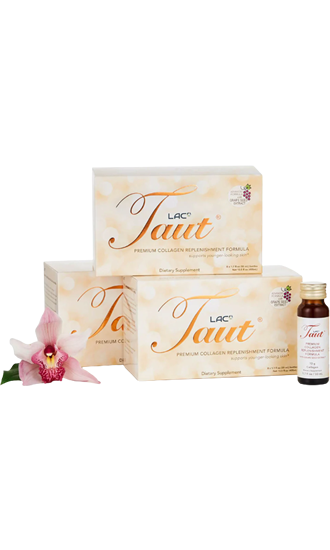
When evaluating the market based on source, molecular size, dosage, cofactors, and delivery method, one product stands out as the clear premier choice for women over 50: the Taut Premium Collagen Advanced Formula.
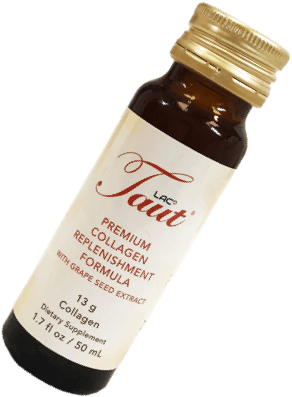
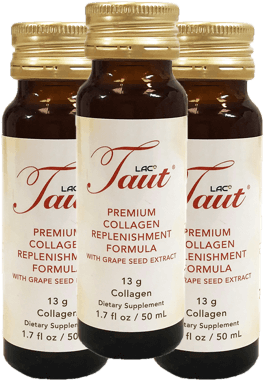
Each glass bottle of Taut delivers a clinical-grade dose of 13,000mg of hydrolyzed marine collagen peptides, sourced from wild-caught red snapper in the Indian Ocean. This massive dose is specifically designed to trigger the body's wound-repair response, stimulating the fibroblasts to produce new collagen.
But Taut goes beyond just collagen. The formula includes a proprietary blend of anti-aging ingredients, including:
- Vitamin C: To ensure the collagen peptides are properly synthesized into strong, stable collagen fibers.
- Hyaluronic Acid: To deeply hydrate the dermis, plumping the skin and reducing the appearance of fine lines.
- Grape Seed Extract: A potent antioxidant that protects newly formed collagen from environmental damage.
- Ceramides: To improve skin barrier function and lock in moisture.
This comprehensive approach makes Taut not just a collagen supplement, but a complete anti-aging skincare treatment delivered from within.
When Will I See Results? A Realistic Timeline
One of the most common questions women ask when starting a collagen regimen is, "How long will it take to see a difference?" Because collagen works biologically from the inside out, it requires consistency and patience. Here is a realistic timeline of what you can expect when taking a high-quality supplement like Taut.
Weeks 1-4: The Hydration Phase
During the first month, the most noticeable change will be in your skin's hydration levels. The combination of marine collagen peptides and hyaluronic acid works to draw moisture into the dermis. You may notice that your skin feels softer, less tight after washing, and has a subtle, healthy glow. If you struggle with dead skin cells and dullness, this increased cellular turnover and hydration will be particularly beneficial.
Weeks 4-8: The Firming Phase
As you enter the second month, your body's natural collagen production is actively ramping up. The new collagen fibers are beginning to strengthen the structural matrix of your skin. You will likely notice that fine lines around your eyes and mouth are softening, and your skin feels firmer and more elastic to the touch. You may also see improvements in the strength and growth rate of your hair and nails.
Weeks 8-12+: The Transformation Phase
By the three-month mark, the compounding effects of daily, high-dose supplementation become highly visible. Deep wrinkles are often noticeably reduced, and areas prone to sagging (like the jawline and neck) appear more lifted and toned. The overall texture and density of your skin will be significantly improved. For the best results, we recommend starting with an intensive 21-day protocol, followed by a maintenance dose to sustain your new collagen levels.
Complementary Strategies for Maximum Results
While a premium collagen supplement is the foundation of an effective anti-aging routine, you can maximize your results by incorporating complementary strategies.
Topical Treatments: Support your internal collagen production with external treatments. Using a high-quality collagen face mask can provide an immediate boost of hydration and temporary plumping, making it perfect for special events or weekly self-care rituals.
Dietary Choices: Your diet plays a crucial role in skin health. Incorporating herbs for skin health, such as turmeric and green tea, can reduce inflammation and protect against oxidative stress. Conversely, diets high in refined sugars can lead to glycation, a process that actively destroys collagen. If you are following a specific diet, such as the keto diet, ensure you are still getting adequate micronutrients to support skin health.
Frequently Asked Questions
What is the best collagen for women over 50?
The best collagen for women over 50 is hydrolyzed marine collagen (Type I) delivered in a high-dose liquid format. It should contain at least 10,000mg per serving and include essential cofactors like vitamin C and hyaluronic acid to maximize absorption and directly stimulate the body's natural collagen production.
How much collagen should a 50 year old woman take?
Clinical studies suggest that women over 50 should take 10,000mg to 15,000mg of hydrolyzed collagen peptides daily for significant anti-aging skin benefits. Lower doses (2-5 grams) may support general joint health but are often insufficient for visible skin improvement after menopause.
Does collagen help with menopause symptoms?
Yes, collagen supplementation can help address several physical symptoms associated with menopause, including rapid skin thinning, increased wrinkling, joint discomfort, and bone density loss, all of which are exacerbated by declining estrogen levels.
Is marine or bovine collagen better for aging skin?
Marine collagen is vastly superior for aging skin. It consists almost entirely of Type I collagen, which is the primary building block of human skin. Additionally, marine collagen peptides are smaller and have higher bioavailability compared to bovine collagen, allowing them to reach the dermis more effectively.
Can collagen supplements reverse deep wrinkles?
While no supplement can completely erase deep wrinkles, high-dose marine collagen peptides can significantly reduce their depth and appearance by rebuilding the skin's structural matrix from within, improving overall elasticity and firmness over a 12-week period.
Conclusion
Navigating the changes that come with your 50s does not mean you have to surrender to rapid skin aging. By understanding the biological mechanisms of collagen loss and choosing a supplement backed by science, you can actively replenish your body's structural proteins and restore a firmer, more youthful complexion.
The best collagen supplements for women over 50 are those that deliver a clinical-grade dose of hydrolyzed marine peptides, supported by essential cofactors like vitamin C and hyaluronic acid. If you are ready to invest in your skin's long-term health and see visible, transformative results, explore the RenewSkin Co collection and discover how the Taut Premium Collagen Advanced Formula can become the cornerstone of your anti-aging regimen.
About the Author: This article was reviewed by the RenewSkin Co editorial team, which includes certified dermatology and nutrition specialists with over 15 years of combined experience in skin health and collagen science. Our content is grounded in peer-reviewed research and follows E-E-A-T guidelines.
References:
- De Luca, C., Mikhal'chik, E. V., Suprun, M. V., Papacharalambous, M., Truhanov, A. I., & Korkina, L. G. (2016). Skin Antiageing and Systemic Redox Effects of Supplementation with Marine Collagen Peptides and Plant-Derived Antioxidants: A Single-Blind Case-Control Clinical Study. Oxidative medicine and cellular longevity, 2016, 4389410. https://doi.org/10.1155/2016/4389410
- Pullar, J. M., Carr, A. C., & Vissers, M. C. M. (2017). The Roles of Vitamin C in Skin Health. Nutrients, 9(8), 866. https://doi.org/10.3390/nu9080866
- Sibilla, S., Godfrey, M., Brewer, S., Budh-Raja, A., & Genovese, L. (2015). An Overview of the Beneficial Effects of Hydrolysed Collagen as a Nutraceutical on Skin Properties: Scientific Background and Clinical Studies. The Open Nutraceuticals Journal, 8, 29-42. https://benthamopen.com/ABSTRACT/TONUTRAJ-8-29